Everest Three Pass Trek - 19 Days

Tour Info

trip code

2222

Starting Point/ End Point

Kathmandu

Accommodations

Lodge/ Tea House

Max Altitude

5545 (Kala Patthar)

Duration

19 days

country

Nepal

Trip grade

Challenging

Activities

Trekking

Best Season

February, March, April, May, June, September, October, November, December

Overview

The Everest Three Pass Trek is an enjoyable trek that combines long walking days, high mountain passes, and well-known trekking routes of the Everest region. This trek is suitable for trekkers with previous high-altitude trekking experience who want to explore more areas beyond the regular Everest Base Camp trail. Route includes crossing three high passes: Kongma La, Cho La, and Renjo La, which require good fitness and proper acclimatization. The Everest Three Pass Trek is a longer and more demanding route than the standard Everest Base Camp trek. This trek covers most of the main trekking areas of the Khumbu region and includes crossing three high passes: Kongma La, Cho La, and Renjo La.  You get the opportunity to walk through traditional Sherpa villages, visit monasteries, and stay in local teahouses. Daily life in these villages is simple and closely connected to trekking and mountaineering. Accommodation and meals are basic but sufficient throughout the route. Due to the altitude, long distances, and pass crossings, Everest Three Pass Trek trek is physically demanding, but it provides a complete trekking experience covering most major areas of the Everest region.

Details

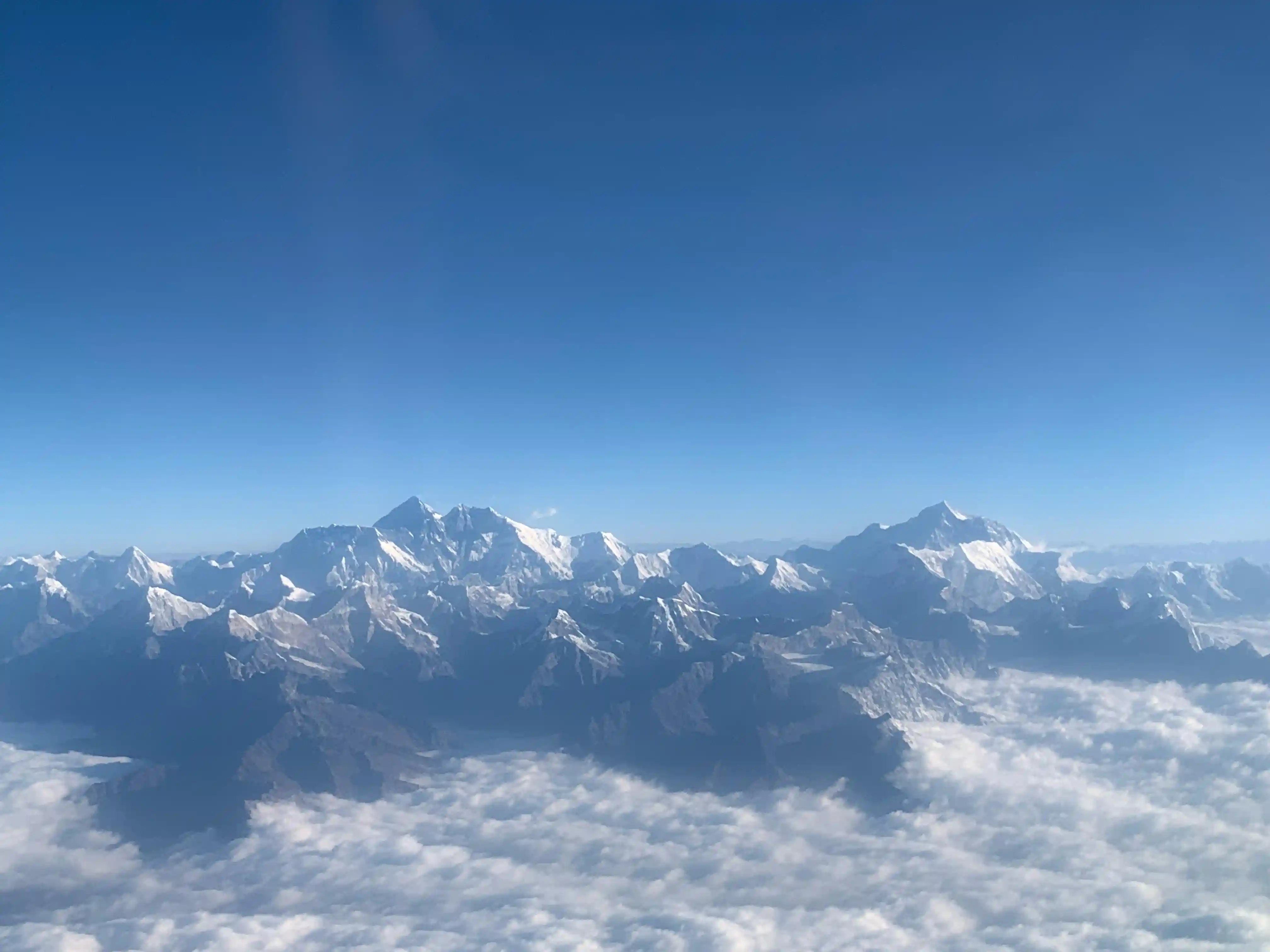
The Everest Three Pass Trek is a 19-day journey through the Everest region, crossing three high mountain passes: Renjo La (5,360m), Cho La (5,420m), and Kongma La (5,560m). You can experience extensive views of the high Himalayas and the Khumbu region’s diverse landscapes, including glaciers, alpine valleys, and rocky ridges. From the top of Renjo La Pass, you can see the world’s highest peaks, including Mount Everest (8,848m), Lhotse (8,516m), Makalu (8,463m), and Cho Oyu (8,201m).

In addition to these peaks over 8000 meters, you can also spot other peaks such as Ama Dablam, Pumori, Cholatse, Khumbutse, Kangtega, and Lobuche East and West. This Everest Three Pass Trek is designed for those looking for a demanding high-altitude journey. You walk through Sherpa villages, alpine forests, and moraine trails, combining both natural and cultural experiences. The three high passes, the panoramic mountain views, and the traditional mountain settlements make this trek a complete way to explore the Everest region.

Highlights

  • Cross the three challenging high passes of the Everest region: Kongma La (5,535m), Cho La (5,420m), and Renjo La (5,340m).

  • Walk into the more remote and less-traveled valleys of the Everest region.

  • Enjoy scenic flights to and from Lukla, one of the most exciting mountain airports in the world.

  • Visit Everest Base Camp (5,364m) and climb Kala Patthar (5,545m) for the best close-up views of Mount Everest.

  • Explore traditional Sherpa villages and experience local culture, lifestyle, and warm mountain hospitality.

  • Take in stunning views of 8,000-meter peaks including Everest (8,848m), Lhotse (8,516m), Makalu (8,481m), and Cho Oyu (8,201m).

  • Walk along the Khumbu Glacier, the largest glacier in Nepal, through its icy and rugged terrain.

  • Trek through a wide range of landscapes, from green forests and river valleys to glaciers and high-altitude areas.

  • Visit famous viewpoints like Gokyo Ri and enjoy panoramic mountain and lake views.

  • Discover the beautiful Gokyo Lakes, known for their deep blue color and peaceful surroundings.

Itinerary

Day 1: Arrival in Kathmandu and Pre-trekking Preparation (1400 meters)

Upon arrival in Kathmandu, a team member picks you up from the airport and transfers you to your hotel. After settling in and resting, you attend a short briefing at our office. During this meeting, you can meet your trekking guide and other team members, ask questions about the Everest Three Pass Trek, and go over important details. In the evening, there is time to explore the streets of Thamel in your free time.

  • Accommodation: 3 star standard Hotel
  • Travel Distance:  6 to 8 kilometers
  • Travel Hours: 20 to 30 minutes
  • Maximum Altitude: 1,350 meters
  • Meal: Welcome Dinner

Day 2: A full day guided tour and sightseeing in Kathmandu valley (1400 meters)

After breakfast at the hotel, the full-day sightseeing tour begins around 8:00 AM. A private vehicle will be provided for the day, ensuring a comfortable and convenient trip. Our professional guide will accompany the tour to explain the history, culture, and significance of each site. The itinerary is relaxed, allowing ample time to explore each location without feeling rushed.

A. Pashupatinath (World Heritage Site)
Pashupatinath Temple is a major Hindu temple dedicated to Lord Shiva, located on the banks of the Bagmati River. Non-Hindus cannot enter the main temple, but the temple complex and rituals can be observed from the eastern side of the river. The temple features a two-tiered pagoda design and is internationally recognized for its spiritual and architectural importance.

B. Boudhanath (World Heritage Site)
Boudhanath is one of the most sacred Buddhist sites in Kathmandu. Constructed in the 5th century, this large stupa has four pairs of Buddha’s eyes facing every direction, representing awareness. Devotees can be seen circumambulating the stupa while spinning prayer wheels and offering prayers.

C. Patan Durbar Square (World Heritage Site)
Situated in the heart of Lalitpur, Patan Durbar Square is a prime example of Newari architecture. Most of the buildings were constructed during the Malla period, showcasing intricate wood carvings and detailed craftsmanship.

D. Swayambhu Stupa (Monkey Temple)
Swayambhu Stupa sits atop a hill and provides wide views of the Kathmandu Valley. It is often called the Monkey Temple due to the many monkeys living around the site. The stupa is an important spiritual place for both Buddhists and Hindus.

  • Accommodation: 3 star standard Hotel
  • Travel Distance: 25 to 30 kilometers (total driving between sites)
  • Travel Hours: 5 to 6 hours (throughout sightseeing)
  • Maximum Altitude: 1,350 meters
  • Meal: Breakfast

Day 3: Flight to Lukla from Kathmandu or Manthali (Ramechhap) and trek to Phakding (3,438 meters /11,280ft)

Depending on the departure point, you wake up early for the flight to Lukla. If you are flying from Manthali (Ramechhap), the day starts around 2 to 3 AM with a 4 to 5 hour drive followed by a short 20-minute flight. “And” if you are departing from Kathmandu, you wake up at around 5 AM for a 20-minute drive and a 30-minute flight to Lukla. After landing, the guide provides you a short briefing, and breakfast is served. The trek begins with a gentle downhill walk toward Phakding, passing through small villages, rhododendron forests, and areas where yaks, donkeys, and dzos graze. You reach Phakding by evening, which is located beside the Dudh Koshi River, and the trail descends gradually from Lukla, making it a comfortable start to the journey.

  • Accommodation: Tea house/Lodge
  • Travel Distance: 8 kilometersTrekking Hours: 3 to 4 hour
  • Maximum Altitude: 2800 meters
  • Meal: Breakfast, Lunch, and Dinner

Day 4: Trek from Phakding to Namche Bazaar (3438 meters /11280ft)

After a restful night in Phakding, you continue the trek in the morning. The trail follows the Dudh Kosi River, crossing several suspension bridges along the way. You reach the entrance of Sagarmatha National Park at Monjo, where your permits are checked. From there, you pass through Jorsalle, the last village before reaching Namche Bazaar. As you climb, you can see stunning views of Everest and other surrounding peaks. The trek ends at Namche Bazaar, a busy town and commercial hub of the Everest region. You can spend two nights here to acclimatize to the higher altitude. Namche offers various facilities, including ATMs, stores, restaurants, cybercafes, banks, and even a bakery. If your visit coincides with Saturday, you can explore the colorful local market, which gives insight into the region’s culture and trade. It takes you around 5 to 6 hours to reach Namche Bazaar from Phakding.

  • Accommodation: Tea house/Lodge
  • Travel Distance: 11 kilometers
  • Trekking Hours: 5 to 6 hour
  • Maximum Altitude: 3,438 meters
  • Meal: Breakfast, Lunch, and Dinner

Day 5: Acclimatization in Namche Bazaar (3,438 meters /11,280ft)

Namche Bazaar is an ideal place to rest and acclimatize during the Everest Three Pass Trek. You have a free day to explore the town and adjust to the increasing altitude. One popular activity is a short hike of about 4.5 kilometers (5 to 6 hours) to the Sagarmatha National Park Museum, where you can learn about mountaineering, local flora and fauna, Sherpa culture, and Buddhist traditions. From this scenic spot, you can enjoy breathtaking views of Mt. Everest and Ama Dablam. If you wish, you can continue on an optional uphill hike to the Everest View Hotel, which offers one of the best panoramic views of Mt. Everest and the surrounding peaks. This provides a chance to witness the grandeur of the world’s highest mountain while giving your body additional time to adapt to the altitude.

  • Accommodation: Tea house/Lodge
  • Travel Distance: 4.5 kilometers
  • Trekking Hour: 5 to 6 hours
  • Maximum Altitude: 3870 meters
  • Meal: Breakfast, Lunch, and Dinner

Day 6: Trek from Namche Bazaar to Tengboche (3870 meters /12697 ft)

After spending a restful day in Namche Bazaar, you continue the trek for about 10 kilometers (5 to 6 hours) through a forest filled with rhododendron, oak, and pine trees. The trail passes charming farm villages and follows alongside the Bhote Kosi River, flowing gently upstream. Along the way, you reach Thamo village, where a small hydroelectric project provides electricity to much of the Khumbu region. From Thamo, the trail leads to a small bridge decorated with Buddhist rock wall paintings on the rocky cliff. After crossing the bridge, a short optional walk brings you to Thame, a quiet village that sees fewer trekkers. Here, you can visit one of the oldest monasteries in the region and immerse yourself in the cultural and spiritual heritage of the Sherpa community.

  • Accommodation: Tea house/Lodge
  • Travel Distance: 10 kilometers
  • Trekking Hour: 5 to 6 hours
  • Maximum Altitude: 3870 meters
  • Meal: Breakfast, Lunch, and Dinner

Day 7: Trek from Tengboche to Dingboche (4360 meters /14305ft)

Before continuing the trek, you can also participate in the prayer ceremony at Tengboche Monastery and have breakfast. The trail descends gently through a forest of pine and rhododendron, adorned with moss, down to Deboche (3,820m). From there, you walk about 9 kilometers (5 to 6 hours) toward Milingo, a small settlement above the Imja Khola. The trail continues to Panboche Village, and then ascends through the Imja Valley, passing Somare (4,010m) and Orsho (4,190m). This area is a good spot to pause for lunch while enjoying stunning mountain scenery. If you desire, you can also take an optional short hike around the valley to explore the surrounding landscapes and catch additional views of Ama Dablam and the peaks nearby. From here, you continue to Dingboche, taking the lower trail via Warsa and ascending to the crest of the hill. Crossing the Lobuche River, you’ll notice colorful Buddhist prayer flags marking the entrance to Dingboche Village (4,410m). Dingboche is an excellent place to rest and acclimatize before heading to higher altitudes on the following days.

  • Accommodation: Tea house/Lodge
  • Travel Distance: 9 kilometers
  • Trekking Hours: 5 to 6 hours
  • Maximum Altitude: 4360 meters
  • Meal: Breakfast, Lunch, and Dinner

Day 8: Acclimatization day-Dingboche (4360 meters /14305ft)

You spend this day as a rest and acclimatization day in Dingboche, allowing your body to adjust to the higher altitude. Also, you can take a short hike of about 4 to 5 kilometers in an around 4 to 5 hours to nearby viewpoints, such as Nangkartshang Hill, which offers panoramic views of Ama Dablam, Lhotse, and other surrounding peaks. The optional hike is moderately steep but manageable, giving you a gentle introduction to higher altitudes without overexertion. Alternatively, you can stay in Dingboche village, exploring the local tea houses, prayer flags, and small fields while enjoying the peaceful Himalayan atmosphere. This day also provides the chance to practice walking at altitude, take photographs, and rest fully in preparation for the higher passes ahead.

  • Accommodation: Tea house/Lodge
  • Travel Distance:  
  • Trekking Hour: 4 to 5 hours
  • Maximum Altitude: 4360 meters
  • Meal: Breakfast, Lunch, and Dinner

Day 9: Trek To Chhukung (4750 meters), Detour To  Chhukung Ri(5546 meters /18196ft)

From Dingboche, you trek approximately 14 kilometers (6 to 7 hours) to reach Chhukung, a journey that includes a relatively short walk of about 2 to 3 hours from Dingboche itself. Although the distance is not long, the higher altitude can make the trek feel more challenging, providing an important acclimatization step for your body. Once in Chhukung, you have two options. You can rest at the tea house, allowing your body to adjust further to the thinning air, or you can take an optional climb to Chhukung Ri (5,546m). This hike offers a 360-degree panorama of the surrounding mountains. From this point, you can also view Imja Lake and the nearby glacier, which you encounter the next day while crossing Kongma La Pass (5,535m). In the evening, it’s important to prepare for the high pass trek by filling water bottles, packing snacks and energy bars, ensuring your head torch is ready, and layering warm clothing. Proper preparation ensures you are ready for the first high-altitude pass on the following day.

  • Accommodation: Tea house/Lodge
  • Travel Distance: 14 kilometers
  • Trekking Hour: 6 to 7 hours
  • Maximum Altitude: 5546 meters
  • Meal: Breakfast, Lunch, and Dinner

Day 10: Trek to Lobuche (4940 meters /16207ft) from Chhukung via Kongma La pass (5535 meters /18160ft)

After an early breakfast and packing your lunch, you begin the ascent to Kongma La Pass (5,535m). The trail is rocky and narrow, with moderate inclines at first, passing Pokalden Base Camps and a small blue lake below the pass. The climb takes 3 to 4 hours, offering stunning views of surrounding peaks, glaciers, and the lake. After reaching Kongma La, you descend steeply toward Lobuche (4,940m), crossing parts of the Khumbu Glacier along the way. The descent also takes about 3 to 4 hours, and the trail provides breathtaking mountain scenery at every step. In Lobuche, you rest at a tea house, preparing for the next day’s trek.

  • Accommodation: Tea house/Lodge
  • Travel Distance:  10 kilometers
  • Trekking Hour: 6 to 7 hours
  • Maximum Altitude: 5,535 meters
  • Meal: Breakfast, Lunch, and Dinner

Day 11: Trek from Lobuche to Gorak Shep (5164 meters /16942ft), detour Everest Base Camp(5364 meters /17599ft)

From Lobuche, you trek 13 kilometers (6 to 7 hours) along the Khumbu Glacier, navigating loose rocks and windy conditions. The trail offers stunning views of Pumori, Lingtren, Khumbutse, and Nuptse. After 3 to 4 hours, you reach Gorak Shep (5,164m), the highest tea house settlement, and enjoy lunch and a short rest. Next, you can make an optional 2 to 3 hour hike to Everest Base Camp (5,364m), following the glacier ridge, rocky moraines, and streams. Springtime brings expedition teams, giving Base Camp a lively feel. After taking in the views, you return to Gorak Shep for the night, preparing for the climb to Kala Patthar the following day.

  • Accommodation: Tea house/Lodge
  • Travel Distance:  13 kilometers
  • Trekking Hour: 6 to 7 hours
  • Maximum Altitude: 5,364 meters
  • Meal: Breakfast, Lunch, and Dinner

Day 12: Trek from Gorak Shep to Kala Patthar (5545 meters /18193fts), then trek to Lobuche

To witness the breathtaking sunrise view from the top of Kalapatthar, you can start our hike very early in the morning after enjoying a cup of hot tea or soup. The trail rises steadily along the ridge above Gorak Shep, and the climb takes about 1.5 to 2 hours. From the top, you get clear views of Mount Everest, Pumori, Nuptse, Lingtren, and the Khumbu Icefall. After spending some time at the viewpoint, you descend back to Gorak Shep. Following breakfast, you continue walking down the rocky trail toward Lobuche, retracing part of the glacier route. The descent is gradual and takes 4 to 5 hours. You rest overnight at a tea house in Lobuche.

  • Accommodation: Tea house/Lodge
  • Travel Distance: 7 kilometers
  • Trekking Hour: 7 to 8 hours
  • Maximum Altitude: 5,545 meters
  • Meal: Breakfast, Lunch, and Dinner

Day 13: Trek from Lobuche to Dzongla (4830 meters /15847ft)

After having breakfast in Lobuche, you begin a short and steady trek toward Dzongla, walking for about 3 to 4 hours over 6 kilometers. The trail gradually ascends and descends across rocky terrain, with clear views of surrounding peaks and glaciers. Although Mount Everest is now behind you, Cho Oyu and nearby mountains remain visible along the route. The walk is less demanding compared to previous days but still requires careful footing due to loose rocks and uneven trails. As you approach Dzongla, the landscape becomes quieter and more remote. Dzongla sits beneath rocky cliffs near the base of Cho La Pass, making it an important resting point before the next high pass crossing. 

  • Accommodation: Tea house/Lodge
  • Travel Distance:  6 Kilometers
  • Trekking Hour: 3 to 4 hours
  • Maximum Altitude: 4,830 meters
  • Meal: Breakfast, Lunch, and Dinner

Day 14: Trek to Gokyo via Cho La pass (5367 meters /17604ft)

You start early from Dzongla and begin the climb toward Cho La Pass (5,367m). The trail rises steadily over rocky ground before reaching a snow-covered section and a small glacier, where careful footing is required. This is one of the more demanding days of the trek due to altitude and terrain. Reaching the top of the pass rewards you with views of surrounding peaks and glaciers. After crossing the pass, you descend carefully over loose rocks and icy sections before the trail eases into the Gokyo Valley. The landscape gradually changes as you approach the turquoise Gokyo Lakes. After 7 to 8 hours of trekking, you reach Gokyo village, where you rest overnight at a tea house.

  • Accommodation: Tea house/Lodge
  • Travel Distance:  1.5 Kilometers
  • Trekking Hour: 7 to 8 hours
  • Maximum Altitude: 4,800 meters
  • Meal: Breakfast, Lunch, and Dinner

Day 15: Acclimatization in Gokyo Lake and Climb Gokyo RI (5357 meters /17576ft), detour 4th and 5th Gokyo lakes

You spend the day in Gokyo Valley to rest and adjust to the altitude. After breakfast, you can take a 3 to 4 hour hike to Gokyo Ri (5,357m). The trail climbs steadily above Gokyo village and rewards you with wide views of Mount Everest, Cho Oyu, Lhotse, Makalu, and the Ngozumpa Glacier. After descending from Gokyo Ri, you have time to walk further into the valley to visit the 4th and 5th Gokyo Lakes, which sits in a quieter and more remote area. These optional walks help with acclimatization while allowing you to explore more of the landscape. You return to Gokyo village for the night and rest at a tea house.

  • Accommodation: Tea house/Lodge
  • Travel Distance:  
  • Trekking Hour: 3 to 4 hours
  • Maximum Altitude: 5357 meters
  • Meal: Breakfast, Lunch, and Dinner

Day 16: Trek from Gokyo village to Marlung via Renjo La Pass (5360 meters /17586ft)

Early in the morning, you start hiking toward Renjo La Pass, leaving the main Gokyo Valley route and following the quieter Renjo La trail through Dudh Pokhari. After around three hours of steady climbing, views of Everest, Lhotse, Cholatse, and Taboche begin to open up. The ascent to the pass is one of the more demanding sections of the trek, but reaching the top rewards you with wide 360-degree views, including Mt. Cho Oyu and other surrounding peaks. From the pass, the trail descends steep stone steps toward Angladumba Tsho, then continues past Relama Tsho and Renjo Lake. You trek through a rocky valley filled with large boulders before reaching Lumde, and after about an hour, arrive at Marlung village, where you stay overnight.

  • Accommodation: Tea house/Lodge
  • Travel Distance:  11 Kilometers
  • Trekking Hour: 7 to 8 hour
  • Maximum Altitude: 5,360 meters
  • Meal: Breakfast, Lunch, and Dinner

Day 17: Trek from Marlung to Namche Bazaar

From Marlung, you begin a long descent toward Namche Bazaar, following an old trade route once used by Tibetan traders. The trail passes along the Bhote Koshi River and descends through Taranga before reaching Langmuche Khola. As you approach Thame, you walk past lodges near the village monastery, with clear views of Thamserku, Khangtega, and Kusum Kanguru. After crossing a bridge to Samde, the trail climbs steeply to Thamo, where you can see Khari Gompa, a respected Buddhist nunnery. Continuing onward, you pass the highest hydropower station in the region, then walk through Phurte village, near Laudo Monastery. The final stretch leads you back to Namche Bazaar, passing prayer flags, chortens, mani walls, and small gompas along the way.

  • Accommodation: Tea house/Lodge
  • Travel Distance: 15 Kilometers
  • Trekking Hour: 5 to 6 hours
  • Maximum Altitude: 3,438 meters
  • Meal: Breakfast, Lunch, and Dinner

Day 18: Trek from Namche Bazaar to Lukla (2800 meters /9186ft)

After breakfast in Namche Bazaar, the trek for the day begins with a long descent on familiar trails. You walk through pine and rhododendron forests, passing villages like Monjo, Jorsalle, and Phakding. The trail crosses several suspension bridges over the Dudh Koshi River, decorated with prayer flags. After reaching Monjo, you officially exit Sagarmatha National Park. Lunch is usually taken along the way before continuing toward Lukla. The final section includes some gentle climbs and descents before arriving in Lukla, where the trek comes to an end. In the evening, you can relax at the teahouse and enjoy your last dinner in the Everest region, celebrating the completion of the Three Passes Trek.

  • Accommodation: Tea house/Lodge
  • Travel Distance:  19 Kilometers
  • Trekking Hour: 6 to 7 hours
  • Maximum Altitude: 2800 meters
  • Meal: Breakfast, Lunch, and Dinner

Day 19: Flight Back to Kathmandu or Manthali from Lukla

You take a flight from Lukla back to Kathmandu or Manthali (Ramechhap), depending on flight availability. If you choose the Lukla to Ramechhap option, the scenic flight takes about 20 minutes, followed by a 3 to 4-hour drive to Kathmandu. Alternatively, a direct flight from Lukla to Kathmandu takes around 30 minutes. During the flight, you can enjoy stunning views of mountains, glaciers, and deep valleys from above. Upon arrival in Kathmandu, you are transferred to your hotel, where you can rest and freshen up. This day marks the end of your Everest Three Pass Trek journey, leaving you with lasting Himalayan memories.

  • Accommodation: 3 star standard Hotel
  • Travel Distance:
  • Travel Hour:
  • Flight duration: 30 minutes
  • Maximum Altitude: 1,350 meters
  • Meal: Dinner

Trek Route

Everest Three Pass Trek Route Map | Ever Nepal

Featured Video

Everest Three Pass Trek

Packing List for Everest Three Pass Trek

The Everest Three Pass Trek is one of the most challenging treks that you may choose in the Everest region. Preparation, along with having reliable trekking gear, is essential for a smooth journey ahead. Considering that the trek has to pass through numerous glaciers, cold weather, long trekking hours, and the crossing of mountain passes exceeding an altitude of 5,000 meters, the following is the list of equipment you need to bring on your trek.

Head

  • Wide-brimmed sun hat
  • Warm woolen beanie
  • Buff or neck gaiter
  • High-SPF sunscreen
  • UV-protected sunglasses
  • Lightweight headlamp with extra batteries
  • Lip balm
  • Facial wipes
  • Thermal balaclava
  • Sun cap

Hands

  • Waterproof gloves
  • Insulated gloves
  • Inner fleece gloves
  • Hand warmers

Upper Body

  • Warm thermal base layers
  • Quick-drying trekking t-shirts
  • Breathable long-sleeved trekking shirts
  • Fleece jacket
  • Insulated down jacket
  • Waterproof and windproof outer shell jacket
  • Lightweight puffy jacket
  • Raincoat or poncho
  • Moisture-wicking innerwear

Lower Body

  • Warm thermal innerwear
  • Full-length trekking pants
  • Fleece or softshell trekking trousers
  • Insulated pants
  • Waterproof outer pants
  • Comfortable cotton pants for evenings
  • Lightweight shorts (optional)

Footwear

  • Durable waterproof trekking boots
  • Camp sandals or lightweight slippers
  • Gaiters
  • Four to five pairs of moisture-wicking wool socks
  • Liner socks
  • Microspikes or traction cleats (recommended during snowy conditions)

Toiletries

  • Toothbrush and toothpaste
  • Quick-dry towel
  • Soap or body wipes
  • Small shampoo bottle
  • Toilet paper
  • Hand sanitizer
  • Wet wipes
  • Moisturizer
  • Nail clipper

Accessories

  • Sleeping bag suitable for high altitude
  • Large duffle bag
  • Day backpack with rain cover
  • Trekking poles
  • Reusable water bottles or hydration bladders
  • Water purification tablets or a filter
  • Dry bags or zip-lock bags
  • Snacks and energy bars
  • Map or trekking guidebook

First Aid Kit

  • Diamox
  • Personal prescription medicines
  • Painkillers (ibuprofen or paracetamol)
  • Antiseptic cream or wipes
  • Bandages
  • Blister care kit
  • Anti-diarrhea medication
  • Altitude sickness medication
  • Cough lozenges

Electrolyte powder

  • Electronics
  • Power bank
  • Travel adapter
  • Camera or phone
  • Extra memory cards
  • Charging cables
  • Solar charger (optional)
  • Headlamp batteries

Miscellaneous Items

  • Passport and permits photocopies
  • Passport-sized photos
  • Cash in Nepali rupees
  • Notebook or journal
  • Binoculars
  • Lightweight thermos flask
  • Energy gels or chocolates

Specific Gears for Women

While trekking in high-altitude regions like the Everest Three Pass Trek, women should carry a few additional personal essentials for comfort, hygiene, and protection during long trekking days. These items help maintain convenience and confidence throughout the journey.

Undergarments

  • Sports bra
  • Thermal leggings
  • Sanitary pads
  • Tampons
  • Travel-size shampoo
  • Moisturizer and skincare products
  • Lip care products
  • Fleece headband
  • Hair ties or hair bands
  • Tight leggings
  • Personal hygiene wipes

Documents

Certain documents are required to successfully complete the Everest Three Pass Trek. These permits make your journey to the Everest region a safe, smooth, and trouble-free expedition. This is what the list of essential permits required for your trek will include:

  1. Permit to enter Sagarmatha National Park: It is a mandatory document that needs to be presented when entering Sagarmatha National Park through the Everest Trek route.  It can be obtained from the Nepal Tourism Board office in Kathmandu or at the park entry point in Monjo. The charges are NPR 3,000 ($23), NPR 1,500 ($12), and NPR 100 for foreigners, SAARC nationals, and Nepalese citizens, respectively.
  2. Khumbu Pasang Lhamu Rural Municipality Entrance Permit: This permit is compulsory for entering the Khumbu region and is required in place of the old TIMS card for Everest region treks. It can be obtained either at Lukla or Monjo. The charge is NPR 2,000 ($15) for the first four weeks for foreign nationals.
  3. Passport Size Photos: Bring at least two to four recent passport-sized photos for processing permits and other official requirements.
  4. Travel Insurance: Travel Insurance is required for the Everest Three Pass Trek. Insurance policies should cover high-altitude treks, emergency helicopter evacuations, and medical costs up to 5,500 meters.

What's included

  • Airport pick-up and drop-off in a comfortable private vehicle

  • Three nights stay in a 3-star hotel in Kathmandu (twin/double sharing with breakfast)

  • Accommodation in guesthouses or lodges during the trek as per the itinerary (twin/double sharing with breakfast, lunch, and dinner)

  • Farewell dinner with a cultural program

  • All ground transportation in a private, comfortable vehicle as mentioned in the itinerary

  • Domestic flights between Kathmandu and Lukla (both ways)

  • Experienced, English-speaking, government-licensed trek leader and assistant leader if needed

  • Porter service (1 porter for every 2 trekkers)

  • Safe drinking water during the trek

  • Tea, coffee, and light snacks during trekking days

  • All staff expenses including salary, insurance, equipment, food, accommodation, and domestic flights

  • Duffel bag, sleeping bag, T-shirt, and trekking map

  • All required trekking permits and paperwork (TIMS and National Park permits)

  • First aid kit carried by the trek leader

  • All government taxes and official charges

  • Guaranteed departures

  • Lifetime deposit

  • No booking fees


What's excluded

  • International flight tickets

  • Nepal entry visa (available on arrival at Tribhuvan International Airport in Kathmandu)

  • Travel insurance, including emergency evacuation costs

  • Lunch and dinner in Kathmandu

  • Personal expenses such as shopping, drinks, and laundry

  • Extra hotel nights in Kathmandu due to early return from the trek

  • City sightseeing tours and entrance fees

  • Tips for guides, porters, and drivers (tipping is expected)

  • Any cost not mentioned in the itinerary


Frequently Asked Questions

How difficult is the Everest Three Pass Trekking?

Due to its high altitude and the long walking days, the Everest Three Pass Trek can be considered one of Everest's most difficult treks. Trekkers must be physically fit and have previous experience in high-altitude treks.

What are the three passes that you will cross during your trek?

This trek includes the crossing of Cho La Pass (5.420m), Renjo La Pass (5.360m), and Kongma La Pass. These passes provide panoramic views of the mountains and mountain terrain.

Does prior experience in trekking require this trek?

The Everest Three Pass Trek is best done with previous experience. The route includes glacier crossings and steep ascents. It also involves trekking above 5,000 metres for several days.

What is the best time to do the Everest Three Pass Trekking?

This trek is best done in the spring (March to May) and the autumn (September-November). These months are known for their stable weather conditions, beautiful mountain views, and safe trail conditions.

Is travel insurance required for treks?

Travel insurance coverage is necessary for the Everest Three Pass Trek. Your travel insurance must cover high altitude hiking as well as helicopter evacuation in the event of an emergency.

Are there charging stations or ATM available on the trek?

The ATM's can be accessed in Namche Bazaar but may not function at high altitudes. Tea houses provide charging services, though it comes at extra costs.

What are the accommodations like for the Everest Three Pass Trek or hike?

Most accommodation services are available in mountain lodges or tea houses, which provide comfortable lodging for resting purposes while on the trek.

Is altitude sickness an issue during this trek/hike?

Altitude sickness is definitely a problem due to the nature of this trek, which involves passing through several high mountain passes.

What type of food can I expect on a trek?

The majority of teahouses serve common trekking foods such as dal bhat (noodles), soup, fried potatoes, pasta, and tea or coffee. As altitude increases, food options are limited.

Can beginners join the Everest Three Pass Trek?

Due to its high altitude and physical difficulty, the Everest Three Pass Trek should not be attempted by complete beginners. It is recommended that beginners gain some prior experience in trekking before trying this route. 

User Review