Everest Heli Trek - 11 Days

Tour Info

trip code

DE-0016

Starting Point/ End Point

kathmandu

Accommodations

Lodge/Tea House

Max Altitude

5644m

Duration

11 days

country

Nepal

Trip grade

Challenging

Activities

Best Season

April, May, June, September, October, November

Overview

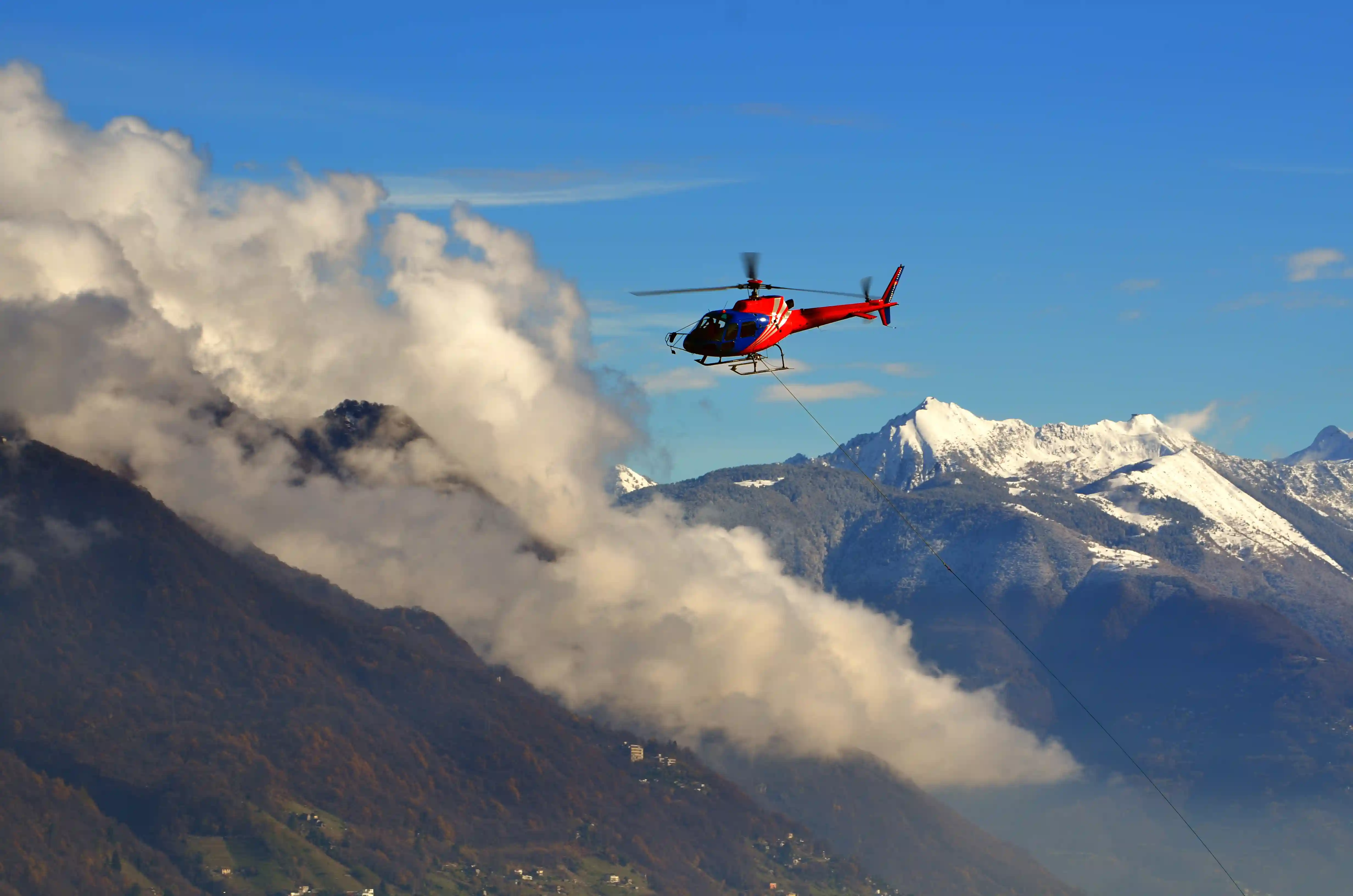
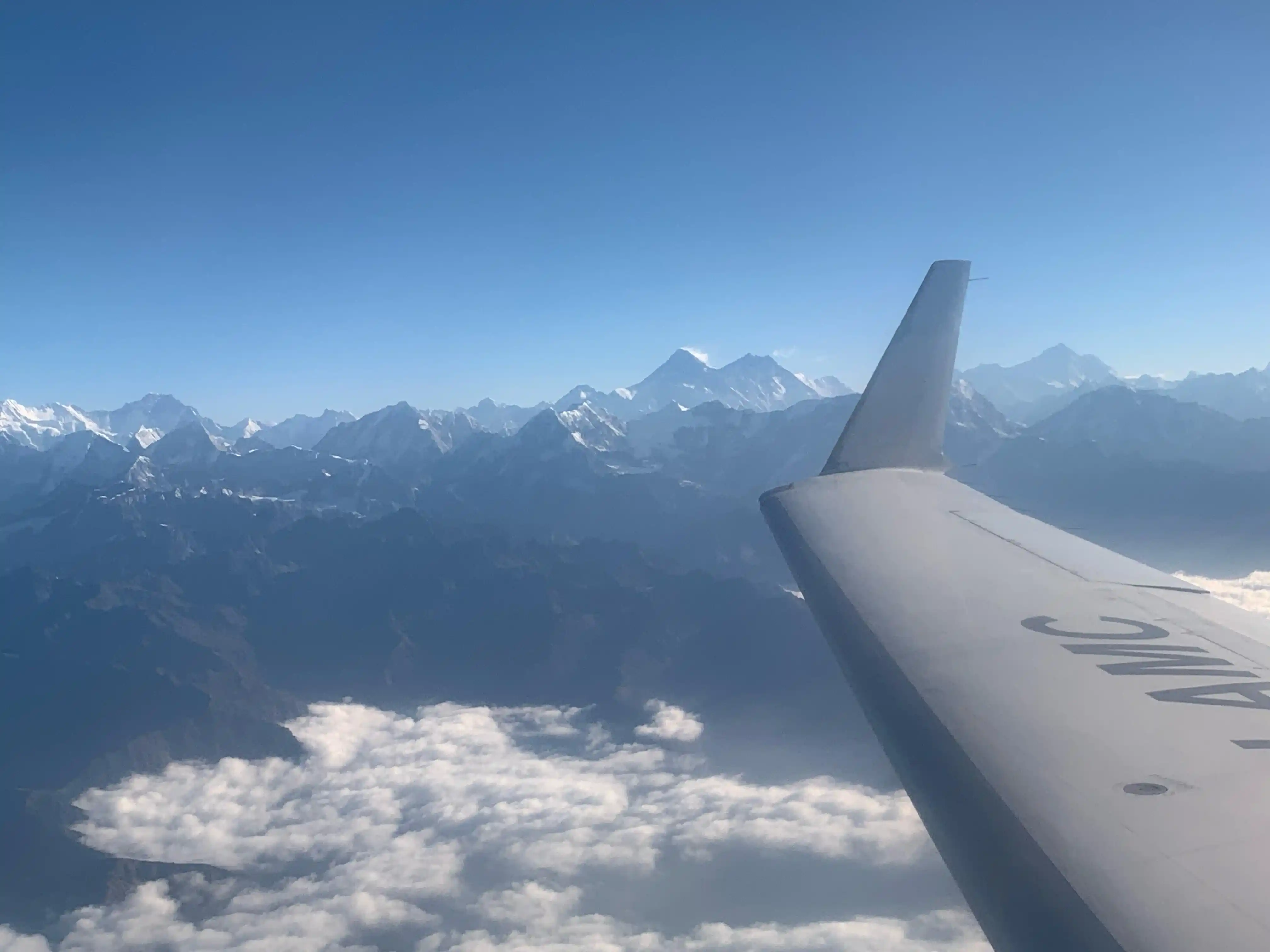
The Everest Heli Trek is one of the best ways for exploring the Everest region. The tour is a combination of both trekking and flights in a helicopter, taking you through scenic spots and offering you views of high-altitude areas, Sherpa villages, suspension bridges, forests, alpine valleys, and glaciers. This journey offers spectacular views of Mt Everest, Lhotse, Ama Dablam, and Nuptse, in addition to the unique cultural experiences of the Sherpas and Buddhist monasteries. In essence, the Everest Heli trek adventure is recommended for people who want adventure, culture, and comfort in one tour.

Details

This journey is one of the unique Himalayan adventures that combines classic trekking routes with a scenic helicopter return. It offers a memorable way to experience the Everest region. The journey passes through high-altitude landscapes, traditional Sherpa villages, and some beautiful viewpoints.

The Everest Heli Trek is popular because of the stunning mountain views like Everest, Lhotse, Ama Dablam, and Nuptse. In this tour, you get the opportunity to explore a variety of surroundings which include forest area, suspension bridge, valley, and glacier terrain. Not only this, but you also get an opportunity to experience Sherpa cultures, ancient Buddhist monasteries, and centuries-old traditions of the local communities.

This trek is also one of the combinations of physical trekking with a helicopter return, allowing you to descend quickly while enjoying the awe-inspiring views of the beautiful landscape. Moreover, it provides a comfortable and time-efficient way to experience the Everest region deeply.
The Everest Heli Trek is known for the blend of adventure, cultural experience, and convenience. So, it is considered suitable for those who like adventure along with a combination of trekking and helicopter ride.

Highlights

  • Explore UNESCO World Heritage Sites in Kathmandu.

  • Scenic flight/heli ride to Lukla.

  • Observe breathtaking views of hills, valleys, rivers and huge mountains.

  • Pass through Sherpa villages like Phakding, Namche Bazaar, and Dingboche.

  • Acclimatization hikes to the Everest View Hotel for Everest, Lhotse, and Ama Dablam views.

  • Visit Tengboche Monastery.

  • Enter into Sagarmatha National Park.

  • Get to see wildlife such as red panda, musk deer, Himalayan tahr, and Danphe.

  • Crossing the Imja Khola on a high suspension bridge.

  • Passing the Sherpa villages, farmlands, and lush rhododendron forest.

  • Trek through the Everest Memorial place.

  • Witness Khumbu glacier, moraine, Khumbu icefall, and majestic peaks like Pumori, Nuptse and Mount Everest on the way.

  • Arriving at the Everest Base Camp.

  • Sunrise hike to Kala Patthar.

  • Scenic helicopter flight back to Kathmandu.

Itinerary

Day 1: Arrival in Kathmandu

Your Everest Heli trek journey starts after you arrive at TIA (Tribhuvan International Airport), Kathmandu. Upon reaching TIA (Tribhuvan International Airport), Kathmandu, the representative of EverNepal greets you and transfers to your 3-star hotel. In addition to this, you are provided with time to relax at your hotel. Then, you can roam around in some busy areas and have a good look at the city. In the evening, you are invited to a delightful welcome dinner. Here, you meet your experienced guide. After you eat a delightful dinner, you go into your luxurious room to have a comfortable night.

Max Elevation: 1,350 meters (Kathmandu)
Travel Distance:  6 to 8 kilometers
Travel Hours: 20 to 30 minutes
Accommodation: 3 Star Standard Hotel
Meal: Welcome Dinner

Day 2: Kathmandu Sightseeing and Trek Briefing

On this day, you explore the popular UNESCO World Heritage sites in a private vehicle along with your guide. Following a hearty breakfast at your hotel, you begin your sightseeing tour around 8 AM. The places you visit are mentioned below:

Patan Durbar Square

The Patan Durbar Square is located in the south of central Kathmandu. It is known for its unique Nepalese style of architecture, its temples, and its palaces. This location is highly preferred by international visitors because of its cultural heritage, beautiful wood carvings, and an opportunity to experience Nepalese artistry and their way of life.

Boudhanath stupa

This stupa is situated on the northeastern side of Kathmandu city. It is one of the largest spherical stupas in the world. Many tourists come to this stupa because of its peaceful spiritual atmosphere, prayer wheels, fluttering prayer flags, and the unique experience of walking around the massive stupa while observing monks and pilgrims.

Syambhunath Stupa

The Syambhunath stupa is perched on the western part of central Kathmandu. International tourists love this place because of the iconic stupa with Buddha’s eyes, rich cultural significance and panoramic views of Kathmandu valley. Here, you can see lots of monkeys playing around the site.

Pashupatinath Temple

Pashupatinath Temple is a sacred Hindu temple dedicated to Lord Shiva. It is located on the bank of the Bagmati River. Many tourists come here to witness spiritual rituals, cremation ceremonies, and the deep cultural insights.
Max Elevation: 1,450 meters
Travel Distance: 25 to 30 kilometers
Travel Hours: 6 to 7 hours
Accommodation: 3 Star Standard Hotel
Meal: Breakfast

Day 3: Fly from Kathmandu to Lukla (2,830 m) and trek to Phakding (2,610 m)

Your trekking journey begins once you arrive at Lukla. Following a relaxed breakfast, you pack your belongings and head towards the TIA through a private vehicle. After you reach TIA, our representatives help you with the boarding formalities for a scenic flight to Lukla. From the flight, you enjoy the view of hills, valleys, rivers, and mountain ranges. Soon, you arrive at Lukla from where you trek towards Phakding while observing views such as Buddhist cultural landmarks, Dudh Koshi river, Sherpa villages and views of mountains. After a few hours of trekking, you arrive at Phakding, where you stay overnight after having a warm dinner. 

Max Elevation: 2,800 meters
Travel Distance: 8 kilometers
Travel Hours: 30 minutes plane flight or 45 minutes heli flight + 3 to 4 hours trekking
Accommodation: Tea house/Lodge
Meals: Breakfast, Lunch and Dinner 

Day 4: Trek from Phakding to Namche Bazaar (3,440 m)

After a leisurely breakfast, you continue your trek to Namche Bazaar by following the Dudh Koshi River. On the way, you need to pass five suspension bridges, including the famous Hillary Bridge. Additionally, you cross traditional villages such as Toktok, Bangkar, Monjo and Jorsalle on the way. At Jorsalle, you eat your delicious lunch. After that, we ascend towards the Namche Bazaar. During trekking, you witness the pristine Dudh Koshi River, lush rhododendron and pine forest, and the entrance of Sagarmatha National Park. After trekking for a few hours, you arrive at Namche Bazar, where you receive a warm dinner and spend a night. 

Max Elevation: 3,438 meters
Travel Distance: 11 kilometers
Travel Hours: 5 to 6 hours
Accommodation: Tea house
Meals: Breakfast, Lunch and Dinner

Day 5: Acclimatization day at Namche Bazaar

Day 5 marks the acclimatization day. We include the acclimatization day so that you can explore the vibrant places of Namche Bazaar and adjust to the high-altitude environment. Following a relaxed breakfast, you, along with a guide, explore the nearby places. After that, you hike towards the popular Everest View Hotel. The hike is considered relatively tough, however, once you reach the top, you are rewarded with beautiful views of mountains such as Everest, Lhotse, and Ama Dablam. After soaking up the views and capturing some photos, you return to your tea house, where you eat a warm dinner before spending the night.

Max Elevation: 3,438 meters 
Travel Hours: 5 to 6 hours
Accommodation: Tea house/Lodge
Meals: Breakfast, Lunch and Dinner

Day 6: Trek from Namche Bazaar to Tengboche (3,870 m)

In the morning, you are served with a leisurely breakfast. After that, you keep trekking towards Tengboche. In this trekking route, you need to move down towards the Dudh Koshi river and cross the high suspension bridge to reach Tengboche. During the trekking route, you pass from Kenjoma, Sanasa, and Phunki Tenga village. Throughout the trekking journey, you see rhododendron and pine forests, wild animals, monasteries, chortens, and mountains such as (Ama Dablam, Lhotse, Thamserku, and Kangtega). After trekking for a few hours, you reach Tengboche where you enjoy a warm dinner and spend a night.

Max Elevation: 3,870 meters 
Travel Distance: 10 km
Travel Hours: 5 to 6 hours
Accommodation: Tea house/Lodge
Meals: Breakfast, Lunch and Dinner

Day 7: Trek from Tengboche to Dingboche (4,360 m)

After a hearty breakfast, you continue your trek to Dingboche through Deboche, Pangboche, Somare and Orsho village. You cross the Imja Khola on a high suspension bridge before a steep ascent to Pangboche. On the way to Dingboche, you are offered beautiful views of monasteries, Sherpa villages, farmlands, lush rhododendron forest and mountains such as  Ama Dablam, Lhotse, and Nuptse. After trekking for a few hours, you arrive at Dingboche, where you eat a delicious dinner and spend the night. 

Max Elevation: 4,360 meters 
Travel Distance: 9 km
Travel Hours: 5 to 6 hours
Accommodation: Tea house
Meals: Breakfast, Lunch and Dinner

Day 8: Acclimatization day at Dingboche

On day 8, you spend the whole time adapting yourself to the high altitude. In the morning, after having your hearty breakfast, you explore nearby places of Dingboche such as traditional stone houses, local tea houses, mani walls, and prayer flags with our professional guides. The tour guide gives you information about local cultures, mountain lifestyle, and importance of acclimatization during trekking. In the afternoon, you hike up to the viewpoint called Nangkartshang Peak to witness the peak. Within the evening, you come back to the tea house for dinner and overnight stay.

Max Elevation: 4,360 meters
Accommodation: Tea house
Meals: Breakfast, Lunch and Dinner

Day 9: Trek from Dingboche to Lobuche (4,940m)

After a relaxed breakfast, you continue your trek to Lobuche. You leave Dingboche and trek through yak pastures to arrive at Thukla (Dughla). At this place, you take a short break to eat a delicious lunch. After eating lunch, you again proceed towards the destination. After you leave the Dughla village, you need to cross the demanding Thukla pass. Along the way, you pass through the Everest Memorial place - a place which is dedicated to climbers who lost their lives on the surrounding peaks. After a few hours of trekking, you arrive at Lobuche, where you eat a warm dinner before staying overnight. 

Max Elevation: 4,940 meters 
Travel Distance: 7 km
Travel Hours: 5 to 6 hours
Accommodation: Tea house
Meals: Breakfast, Lunch and Dinner

Day 10: Trek to Gorakshep (5,170 m) and Detour to EBC (5,364 m)

On this day, you finally reach the EBC (Everest Base Camp). After enjoying a relaxed breakfast, you start moving further to reach Gorakshep through the high lateral moraines of Changri Nup and Changri Shar Glaciers. During your journey, you witness Khumbu Glacier, Khumbu moraine, Khumbu icefall, as well as several towering mountains such as Pumori, Nuptse, and Mount Everest. After a few hours of trekking, you reach Gorakshep. Here, you have your delicious dinner and spend an overnight here. From Gorakshep, you take a break and move forward towards EBC. However, the route to EBC is strenuous because of large boulders, loose stones and sandy areas. Thus, you should be hydrated and slow in your journey. After arriving at EBC, you can soak up the views and capture the photos before returning to Gorakshep.

Max Elevation: 5,364 meters 
Travel Distance: 13 km
Travel Hours: 5 to 6 hours
Accommodation: Tea house
Meals: Breakfast, Lunch and Dinner

Day 11: Early morning hike to Kala Patthar and helicopter return to Kathmandu

We end our Everest Heli Trek on this day. After a warm breakfast, you begin on an early morning hike to Kala Patthar to watch beautiful sunrise views. After a few hours, you arrive at Kala Patthar from where you enjoy the view of Nuptse glacier, Pumori glacier, and Khumbu glacier. Once you get enough pictures of the view, you return to Gorakshep and pack your belongings. Afterward, you head to Kathmandu by helicopter while witnessing various attractions such as Khumbu glacier, lakes, monasteries, and mountains including Everest, Lhotse, Nuptse, and Ama Dablam. The time it takes you to reach Kathmandu is about 1 hour and 30 minutes. After reaching here, you can visit various places or go back to your home country.

Max Elevation: 5,545 meters
Flight Duration: 1 hour and 30 minutes 
Meals: Breakfast 

What's included

  • Private tourist vehicle for airport pickups and drops.

  • Two-night stay at a hotel with B/B option in Kathmandu.

  • All lodging in typical tea houses and lodges throughout the trek.

  • All land transport in a cozy private luxury vehicle according to the travel plan.

  • Warm beverages (each meal).

  • Food (Breakfast, Dinner, and Lunch) while trekking. 

  • Local flights/Chopper for travel to Lukla from Kathmandu.

  • Return to Kathmandu by helicopter from Gorakshep. 

  • A skilled English-speaking guide and porter with their compensation, insurance, gear, nourishment, and lodging.

  • Referenced equipment (Trek pole), Trek map and First Aid.

  • Final dinner featuring a cultural program in Kathmandu.

  • All required documents and licenses.

  • Taxes levied by the Government and expenditure sanctioned.

  • Departure confirmed.

  • No reservation fee.

What's excluded

  • Your personal expenditure.

  • Choice of alcoholic and non-alcoholic drinks (Coca-Cola, Fanta, and mineral water).

  • Shower with hot water, charging of batteries, WiFi, and electric blanket.

  • Lunch and dinner while staying in Kathmandu and one extra night.

  • Extra baggage charges.

  • Personal expenses.

  • Tips for the guide (tips are expected to be 10% of the total payment).

Packing list for Everest Heli Trek

If you are planning for an Everest Heli trek, a well-prepared packing list is essential to make your journey safe and comfortable. As the journey begins from Kathmandu and takes you through the high-altitude places, carrying the right clothing, gear, and personal essentials helps you a lot in adapting to the changing weather conditions. Packing the gear wisely can even ensure comfort, safety, and an enjoyable adventure. Below is a packing list for the Everest Heli trek. 

  • Head

    • UV-protection sunglasses

    • Warm woolen or fleece hat (covers ears)

    • Buff or neck gaiter for wind and dust protection

    • Sun hat or wide-brimmed cap

    • Headlamp with extra batteries

  • Upper Body 

    • Long-sleeve trekking shirts (lightweight, breathable)

    • Insulated down jacket (warm and compact)

    • T-shirts

    • Waterproof and windproof jacket (Gore-Tex or similar)

    • Lightweight fleece or thermal layer

    • Moisture-wicking base layer 

  • Hands

    • Lightweight inner gloves

    • Warm insulated gloves or mittens

  • Lower Body

    • Windproof and waterproof overpants (1 pair)

    • Lightweight shorts (optional, for lower altitudes)

    • Moisture-wicking trekking pants (2 pairs)

    • Thermal base layer or long underwear (2 pairs)

  • Footwear

    • Wool or synthetic trekking socks (4–5 pairs)

    • Lightweight camp shoes or sandals (for evenings)

    • Liner socks (optional for extra warmth)

    • Sturdy trekking boots (broken-in, waterproof recommended)

  • Toiletries

    • Lip balm with SPF

    • Toothbrush and toothpaste

    • Wet wipes and hand sanitizer

    • Small biodegradable soap and shampoo

    • Sunscreen (SPF 30 or higher)

    • Toilet paper or tissue roll

    • Feminine hygiene products

    • Quick-dry travel towel

  • Accessories

    • Sleeping bag (4-season, or available for rent)

    • Trekking poles (recommended)

    • Backpack (30–40L for day use)

    • Water purification tablets or a filter

    • Duffel bag (provided by trekking company for porters)

    • Water bottles and/or hydration bladder

  • First Aid

    • Painkillers

    • Antibiotics

    • Digital Thermometer

    • Bandages and Gauze

    • Blister Plasters

    • Acetazolamide (Diamox)

    • Anti-diarrheals

    • Antihistamines

    • Throat Lozenges

  • Extra Items

    • A camera or a smartphone for photos

    • Passport, permits, travel insurance documents

    • Lightweight book or journal

    • Power bank or solar charger

    • Snacks (nuts, energy bars, chocolates)

    • Plastic bags or dry sacks for organizing gear

  • Specific Gears for Women

While on an Everest Heli trek, having a specific gear, especially for women, is a must to ensure maximum comfort, safety, and convenience in the changing mountain conditions. Carrying properly fitting clothes and personal hygiene essential items helps women to improve mobility, warmth, and overall trekking experience. Below are some of the specific gears for women. 

  • Sports bra

  • Skincare items (moisturizer, skin cleanser, and sunscreen)

  • Undergarments

  • Tight leggings

  • Sanitary pads

  • Travel-size shampoo

  • Tampons

  • Fleece headband

Required Documents

It is important to carry the necessary documents for the Everest Heli trek so that you do not face any problem during your trip. They are also helpful for your identification and permit verification purposes. Having all these documents ensures you have a trouble-free adventure experience in the Everest region. Some of the necessary documents needed while doing the Everest Heli Trek include:

  • Khumbu Pasang Lhamu Rural Municipality Entrance Permit: It is an essential permit that needs to be obtained to help you successfully conduct the Everest Heli Trek. The cost of these permits is approximately NPR 3,000 (about $23). It is available at the checkpoint in Lukla airport. 

  • Sagarmatha National Park Entry Permit: This permit is also necessary to enter into the Sagarmatha National park. Its cost is around NPR 3,000 (Approx. USD $22–$28) for foreign nationals and NPR 1,500 for SAARC nationals. The place where you can obtain this permit is either from the Nepal Tourism Board office in Kathmandu or the entrance gate in Monjo. 

  • Passport and Visa: To complete the trek, visa and passport is required. The passport must be valid for at least six months from your arrival date in Kathmandu.

  • Passport-sized Photos: It is better to carry at least 2 to 4 passport-size photographs for the Everest Heli trek.

  • Travel Insurance: The travel insurance must cover high altitude trekking up to 5500m, and helicopter evacuation.

Frequently Asked Questions

How difficult is the Everest Heli Trek?

Everest Heli trek is moderate to difficult since you have to perform trekking in high altitudes, spend many hours in trekking, and cover varied types of terrains. It requires a good level of physical fitness to cope with altitude changes.

Do I need prior trekking experience?

No, you don’t need prior trekking experience for the Everest Heli trek. However, having a trekking experience can be beneficial for you. Having good physical fitness and regular walking practice is enough for this journey. 

Is altitude sickness a concern on this trek?

Yes, altitude sickness is a major concern on this trek because you need to trek above 5,000 meters, where the oxygen level is low. You can overcome this by performing proper acclimatization, staying hydrated through the trek and maintaining a slow and steady pace.

Is drinking water safe on the trail?

No, drinking water is not safe on the trail. At the trail, you find tap water which contains lots of bacteria. This can make your body sick. However, you can make it safe by using the purification tablets, filters, or buy boiled/filtered water.  

What type of food is available during the trek?

On the Everest Heli trek, you can expect a mix of hearty traditional Nepali, Sherpa, and Western dishes. It includes rice (Bhat), lentils (Dal), green vegetables for dinner and lunch and Tibetan bread, eggs, porridge and pancakes for breakfast. 

Is tipping expected on this trek?

Yes, most guides and porters expect tips from you after completing the journey. Tipping is another form of appreciation for their hard work and support. However, it is your choice whether or not to offer tips.

What happens when I get too tired while performing a trek?

If you feel too tired while performing a trek, you need to immediately tell our representatives and guides. Moreover, you should instantly stop, take a rest, drink plenty of water and continue only when you feel better. 

User Review