Annapurna Circuit Trek For 14 Days

Tour Info

trip code

EN-021

Starting Point/ End Point

Kathmandu

Accommodations

Lodge/ Tea House

Max Altitude

5416 m(Thorung La Pass)

Duration

14 days

country

Nepal

Trip grade

Moderate

Activities

Trekking

Best Season

March, April, May, September, October, November

Overview

Annapurna Circuit Trek is one of the most popular trekking destinations in Nepal. This trek offers you a diverse range of landscapes, cultures, and altitudes. The entire duration of this tourism journey is 14 days. That said, the trek itself lasts only 10 days. During this journey, you go around the beautiful peaks of Mount Annapurna, through the green valleys, alpine forests, and barren highlands. You also go through one of the highest trekking passes in the world - Thorung La Pass as well.

Details

The Annapurna Circuit Trek is a popular trek that you can choose if you want a diverse trekking experience. This trek is rich in scenery, has a diverse culture, and a climate. During this trek, you go from warm valleys and lush forests to the windy zines and high altitude deserts. This constant change keeps you excited and prevents boredom that you might feel if the landscape and culture were similar throughout the journey. Along with the change in landscapes, you also get to experience the mix of cultures as you get to experience the Guring, Manangi, and Thakali cultures within a span of two weeks. At the same time, the trek itself balances between adventure and comfort; the trail is well-established, the teahouses are reliable, and the region is  known for having some of the best food options in the Himalayas.

In addition, the trek itself is also well balanced as the ascent is gradual, allowing the body to acclimatize naturally. You approach the highest point - Thorung La Pass - with a gradual ascent when compared to other routes. Furthermore, the views you get are also varied since you experience glaciers, hidden valleys, rock formations, apple orchards, and the Kali Gandaki Gorge. While descending, you also get to enjoy the spiritual significance at Muktinath, and enjoy the Thakali culture in Marpha and Jomsom.

Highlights

  • Visit famous UNESCO heritage sites such as Swayambhunath, Pashupatinath, Boudhanath, and Patan Durbar Square. 

  • Scenic drive from Kathmandu to Chame through green valleys and terraced hills

  • Walk through beautiful local villages such as Pisang, Manang, and Letdar. 

  • Crossing of Thorung La Pass - one of the highest trekking passes in the world

  • Panoramic view of the Annapurna, Gangapurna, Tilicho Peak, and Dhaulagiri

  • Visit to the holy Muktinath temple

  • Trekking across the dry and windy landscapes of Mustang 

  • Explore Marpha village 

  • Scenic drive to Pokhara

Itinerary

Day 01: Arrival in Kathmandu

After you land at Tribhuvan International Airport, a representative from Ever Nepal Adventure will meet you and take you to your hotel. Following this, you can spend the rest of the day relaxing or roaming the alleys of the city. During the day, you can explore nearby shops and restaurants along with local tea houses. Spending the evening roaming the alleyways of Thamel is recommended, as this place fills with activities as the sun goes down. During this time, your trekking guide shall give you a short briefing about the trek and aid you in preparing for the next day. 

  • Max Elevation: 1450 meters (Kathmandu)
  • Travel Distance: 6 to 8 kilometers
  • Travel Hours: 20 to 30 minutes
  • Accommodation: 3-star hotel
  • Meal: Breakfast

Day 02: Sightseeing in Kathmandu and Trip preparation

The second day is all about sightseeing in the Kathmandu Valley. You visit UNESCO World Heritage sites such as Swayambhunath Stupa, Patan Durbar Square, Pashupatinath temple and more. Each of these sites offers you a unique glimpse into the history of the Kathmandu Valley. In addition, while visiting these sites, you can also witness the daily life of the locals. In the afternoon, you return to your hotel and check your trekking gear, while preparing for the journey ahead. 

  • Max Elevation: 1,450 meters (Swayambhu Stupa, highest point in the Kathmandu sightseeing tour)
  • Travel Distance: 25 to 30 kilometers (total driving between sites)
  • Travel Hours: 6 to 7 hours
  • Accommodation: 3-star standard hotel
  • Meal: Breakfast

Day 03:Drive from Kathmandu-Besisahar(760m);Drive to Chame(2700m)

On the third day of the journey, you leave the Kathmandu valley early in the morning and drive towards the small town of Besisahar. During the drive, you can witness many small towns, terraced farms, small hills, and rivers. Once you reach Besisahar, you take a small break and continue towards Chame, which is a small-quiet village surrounded by pine forests and snowy mountains. Reaching the Chame village marks the starting point of your trek. The entire drive is roughly 9 to 10 hours long. 

  • Max Elevation: 2,700 meters (Chame)
  • Travel Distance: 175 kilometers (Kathmandu to Chame via Besisahar)
  • Travel Hours: 9 to 10 hours
  • Accommodation: Tea house / Lodge
  • Meals: Breakfast, Lunch, and Dinner

Day 04: Trek from Chame -Upper Pisang(3300m/10827 ft)

Starting from the fourth day of this tourism-trek journey, your trek officially begins. You trek through the dense forests and across suspension bridges. The trekking trail also takes you past many small villages as you head towards your destination of Upper-Pisang. As you reach your destination, the terrain becomes drier, which provides you with a clearer view of the surrounding mountains such as Annapurna II and Pisang Peak. 

  • Max Elevation: 3,300 meters (Upper Pisang)
  • Travel Distance: 12 kilometers (Chame to Upper Pisang)
  • Travel Hours: 5 to 6 hours
  • Accommodation: Tea house / Lodge
  • Meals: Breakfast, Lunch, and Dinner

Day 05: Trek from Upper Pisang-Manang(3520m/11549f)

The destination for the fifth day of trekking is Manang. You start early in the morning and head through traditional villages such as Ghyaru and Ngawal, which are small villages rich in Buddhist culture. As your trek continues, the landscapes become more barren and more arid. Once you reach Manang, you enter a significantly larger village with more modern facilities such as lodges, bakeries, and shops for trekkers. The trek on this day lasts for approximately 6 to 7 hours and is a decently difficult trek. 

  • Max Elevation: 3,520 meters (Manang)
  • Travel Distance: 15 kilometers
  • Travel Hours: 6 to 7 hours
  • Accommodation: Tea house / Lodge
  • Meals: Breakfast, Lunch, and Dinner

Day 06: Acclimatisation Day/Rest Day

For the sixth day of this tourism and trekking journey, you rest and acclimatise. You can rest in your lodge or hike around local tourist destinations. Some of these popular tourist destinations include Ice Lake (4620m) and Milarepa Cave (4120m). These trekking destinations offer you beautiful views and a calming environment to simply enjoy nature. Besides these attractions, you can also visit local monasteries and enjoy the peaceful atmosphere of the Manang village. 

  • Max Elevation: 4,620 meters (Ice Lake, highest point of optional hike)
  • Travel Distance: 5 kilometers (round-trip for acclimatisation hikes)
  • Travel Hours: 3 to 4 hours
  • Accommodation: Tea house / Lodge
  • Meals: Breakfast, Lunch, and Dinner

Day 07:Trek from Manang -Letdar (4230m/13877ft)

The seventh day marks the mid-point of your journey, and on this day, you head towards a small village of Letdar. The trail on this day slowly ascends as you pass through many small settlements and yak pastures. As you ascend, the air gets noticeably thinner, and it gets progressively harder to breathe. Therefore, you may need to stop along the way for breathers. At the same time, you may also notice that as you ascend, the treeline also gets thinner. After roughly 4 to 5 hours of trekking, you reach the destination. You can find a few lodges in this village, and it is a good place to rest before heading together. 

  • Max Elevation: 4,230 meters (Letdar, highest point of the day)
  • Travel Distance: 10 kilometers
  • Travel Hours: 4 to 5 hours
  • Accommodation: Tea house / Lodge
  • Meals: Breakfast, Lunch, and Dinner

Day 08: Trek from Letdar-Thorung High camp(4800m/15749ft)

Continuing from Letdar, the trek continues towards the highest point of the journey. You follow a narrow trail which goes around many small rivers. Because of this, you need to cross many wooden bridges. All around you, you can see rough terrain with rocky slopes and snow-covered peaks. Once you reach the destination of the day - Thorung high camp, you stop for the day and rest. Now, do note that you only need to trek for roughly 4 to 5 hours. But because of the terrain, the exhaustion piles up rather quickly. So, once you reach the high camp, you are recommended to rest early. 

  • Max Elevation:  4,800 meters (Thorung High Camp, highest point of the day)
  • Travel Distance: 8 kilometers
  • Travel Hours: 4 to 5 hours
  • Accommodation: Tea house / Lodge
  • Meals: Breakfast, Lunch, and Dinner

Day 09:Trek from High Camp-Muktinath(3700m) via Thorung La Pass(5416m)

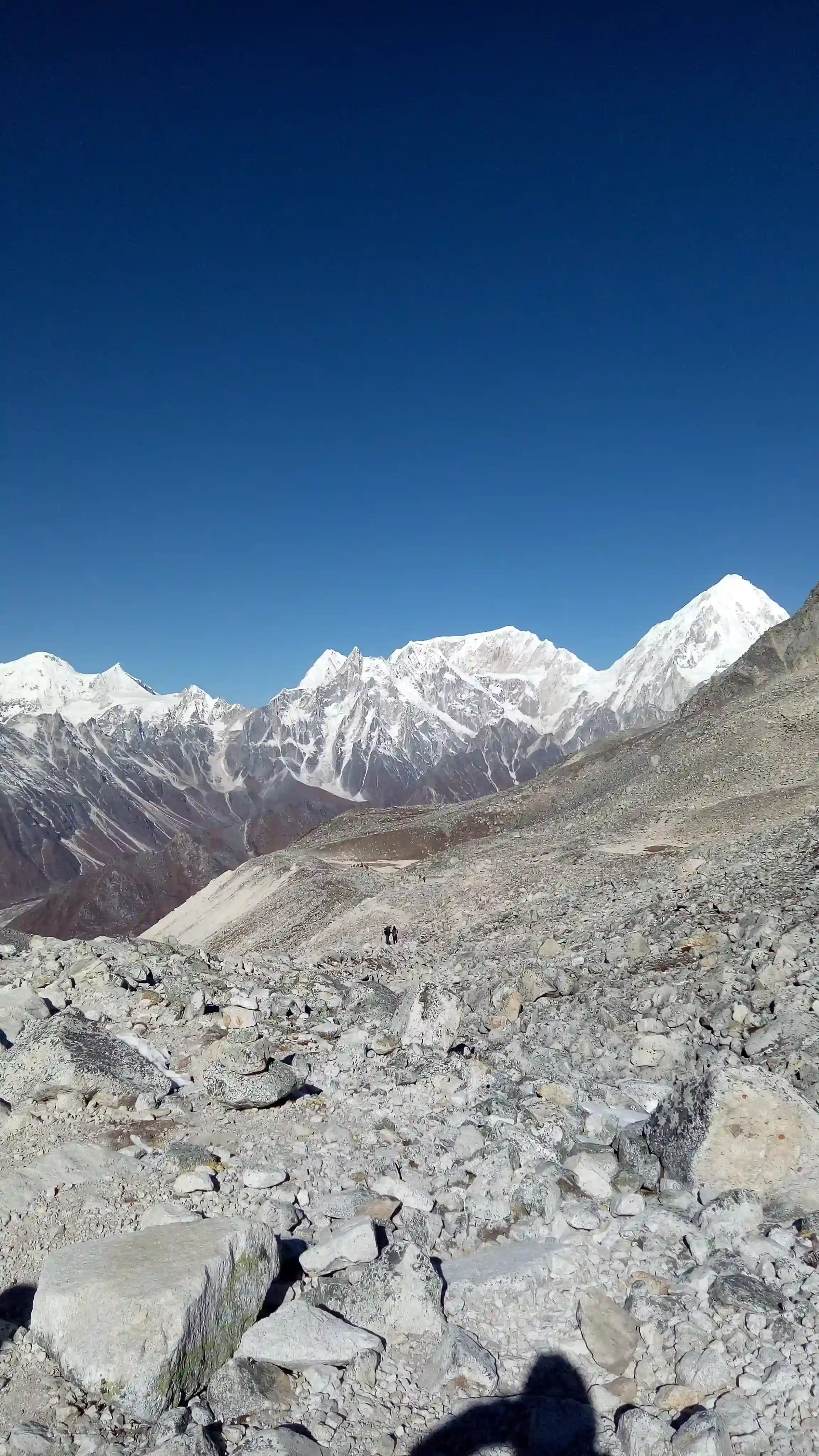
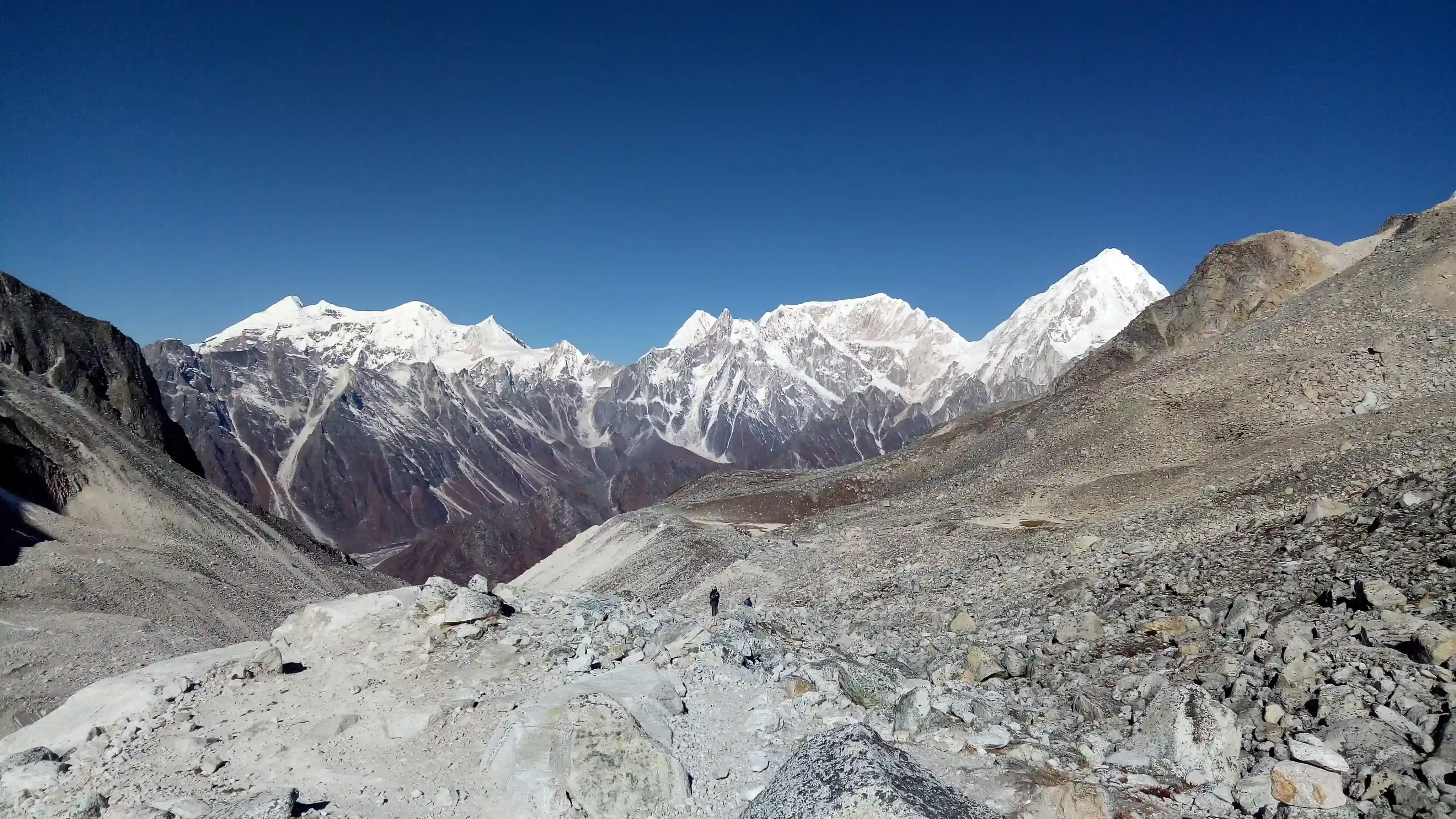
The ninth day is the toughest part of this trek, as on this day, you head towards the highest point of the trek. You start early in the morning and begin your trek to reach the destination before the high winds pick up. You ascend slowly as the roads are tough and steep. In addition to the steepness of the road,  the altitude itself makes the journey more challenging. Once you reach the top, you can see colourful prayer flags and views of the Annapurna and Dhaulagiri ranges. After a short rest, you then take a short descent towards Muktinath temple, which is considered a sacred pilgrimage site by both Hindus and Buddhists. 

  • Max Elevation: 5,416 meters (Thorung La Pass, highest point of the day)
  • Travel Distance: 20 kilometers
  • Travel Hours: 10 to 12 hours
  • Accommodation: Tea house / Lodge
  • Meals: Breakfast, Lunch, and Dinner

Day 10: Trek to Marpha(2680m) via Kagbeni village and Jomsom

Once you make it past the Thorung La Pass, the rest of the trek is fairly easy, as most of the time, you will be descending. The tenth day of your journey is all about descending to Marpha through the lively villages of Kagbeni and Jomsom. The landscape on this descent is fairly dry and windy. As you follow the Kali Gandaki River, which is popular for the black stone that surrounds it, you reach Marpha in the afternoon. The entire trek is only around 5 to 6 hours, and once you reach your destination for the day, you can rest and interact with locals and taste the popular apple brandy and ciders. Your trek officially ends on this day. 

  • Max Elevation: 3,700 meters (just after Thorung La descent, before reaching Kagbeni)
  • Travel Distance: 19 kilometers
  • Travel Hours: 5 to 6 hours
  • Accommodation: Tea house / Lodge
  • Meals: Breakfast, Lunch, and Dinner

Day 11:Drive from Marpha village-Pokhara(850)

You leave the mountains and take a drive to Pokhara on this day. It is a fairly long drive as it takes roughly 7 or 8 hours to reach the capital city of tourism, Pokhara. During the drive, you can see green hills and lakes. At the same time, you can also feel the air getting warmer. Once you reach the city, you can enjoy walking around the lakeside and enjoying the local life. The evening is all about relaxing. 

  • Max Elevation: 2,680 meters (Marpha, starting point of the drive)
  • Travel Distance: 195 kilometers
  • Travel Hours:  7 to 8 hours
  • Accommodation: Hotel in Pokhara
  • Meals: Breakfast

Day 12: Full-day Tour in Pokhara

Not every trekking journey is strictly about trekking - some are also about tourism. This is one such journey, as on the twelfth day, you spend the entire day visiting popular tourist attractions such as Phewa Lake, Peace Pagoda, Davis Falls, Mahendra Cave, and Seti River Gorge. As this city is surrounded by the mountains, you can enjoy mountain views regardless of where you are in the city. After a peaceful day, you head back to your hotel and rest. 

  • Max Elevation: 900 meters (Pokhara city level)
  • Travel Distance: 15 to 20 kilometers (combined travel between the city)
  • Travel Hours: 6 to 7 hours (including sightseeing, walking, and short drives between locations)
  • Accommodation: Hotel in Pokhara
  • Meals: Breakfast

Day 13: Drive or fly to Kathmandu

After having your breakfast, you pack your belongings and prepare for departure towards Kathmandu. Now, at this point, you can either choose a flight or drive back to Kathmandu. Both of these options have their own pros and cons. Flight is more convenient and you arrive at your destination quicker. However, you miss out on the road trip experience. On the flip side, the road journey is a bit long, and the roads are not the smoothest. However, it is a bit exhausting, and you miss out on a few hours of enjoyment in Kathmandu. Regardless of which method of travel you choose, you still have enough time to shop for souvenirs in Kathmandu and visit local cafes. 

  • Max Elevation: 1,400 meters (Kathmandu valley)
  • Travel Distance: 200 to 215 kilometers (Pokhara to Kathmandu by road)
  • Travel Hours: 25 to 30 minutes by flight and  6 to 8 hours by road
  • Accommodation: 3-star hotel

Day 14:Final Departure

This is the final day of this tourism journey. A representative from Ever Nepal Adventure shall drop you off at the airport as per your flight time. Once at the airport, you proceed to your terminal and head back home with memories of the journey.

  • Max Elevation: 1,400 meters (Tribhuvan International Airport, Kathmandu)
  • Travel Distance: 6 to 8 kilometers
  • Travel Hours: 20 to 30 minutes depending on hotel location and traffic
  • Meals: Breakfast

Trek Route

Annapurna Circuit Trek Route Map | Ever Nepal

Packing List for Annapurna Circuit Trek

The Annapurna Circuit Trek is a long trek and a very diverse trek around the Himalayas of Annapurna Circuit. It encompasses warm lowland areas, cold passes such as the Thorong La, and varying weather conditions. Proper packing is of paramount importance in terms of comfort, safety and successful trekking.

Head

  • Add a beanie colder days and mornings
  • Sun hat or cap
  • UV-protection sunglasses
  • High SPF sunscreen
  • Lip balm
  • Buff or neck gaiter
  • Lightweight headlamp

Hands

  • Lightweight inner gloves
  • Warm insulated gloves
  • Waterproof outer gloves

Upper Body

  • Thermal base layers
  • Moisture-wicking t-shirts
  • Fleece jacket
  • Warm down jacket
  • Waterproof and windproof jacket
  • Long-sleeve trekking shirts
  • Light puffy jacket

Lower Body

  • Trekking pants (2 to 3 pairs)
  • Thermal inner leggings
  • Waterproof trousers
  • Warm fleece pants
  • Comfortable camp wear

Footwear

  • Waterproof trekking boots
  • Comfortable camp sandals
  • Wool trekking socks (multiple pairs)
  • Liner socks
  • Dust/Snow Gaiters

Accessories

  • Trekking poles
  • Daypack (25L to 35L)
  • Duffle bag
  • Sleeping bag (-10°C to -20°C)
  • Hydration Water bottle or Water bag
  • Water purification tablets

Toiletries

  • Toothbrush and toothpaste
  • Shampoo & soap (Travelling size)
  • Toilet paper
  • Quick-dry towel
  • Hand sanitizer
  • Wet wipes

First Aid Kit

  • Diamox (altitude sickness)
  • Painkillers
  • Bandages and tape
  • Blister care kit
  • Antiseptic wipes
  • Anti-diarrhea medicine
  • Personal medicines

Miscellaneous

  • Camera or phone
  • Power bank
  • Travel adapter
  • Snacks/energy bars
  • Binoculars

Specific gear for Women

While on a Annapurna Circuit Trek; women travelers may carry some extra personal essentials to stay comfortable in changing weather conditions around the Everest region of Mount Everest.

  • Comfortable undergarments
  • Sports bra
  • A sanitary pad or tampon.
  • Travel-size shampoo and hygiene care items
  • Moisturizer and sunscreen
  • Skin cleanser
  • Fleece headband
  • Warm up leggings or tight thermal wear

Documents

Trekkers are required to bring some official documents and permits on the Annapurna Circuit trek to successfully complete the trek. They are surveyed at several locations on the way and for legal access, safety and conservation. If you do not have proper documents present with you, then trekking is not allowed in the region.

  1. Annapurna Conservation Area Permit (ACAP): This is the main permit needed for trekking in Annapurna Circuit as the route lies inside a protected conservation area. It helps support local conservation and trail maintenance. Foreigners have to pay around NPR 3000 (about USD 22–25).
  2. TIMS Card (Trekkers’ Information Management System): It is used for registration and tracking of trekkers as they journey. It enables authorities to keep track of trekkers in any emergencies. Price varies between USD 10 and 20, depending on group/agency arrangement.
  3. Passport: For identification and permit processing an original passport is required. It should be valid for a minimum of six months from the date of entering Nepal.
  4. Passport Size Photos: It is recommended to bring 2 to 4 photos that are passport size. These will need to be available for when it is the time to get permits, insurance details, and emergency paperwork for the trek.
  5. Travel Insurance: This trek is not available without travel insurance. It should involve high altitude mountaineering, treatment in hospitals, and evacuation by helicopter from far away places.
  6. Nepal Visa: All the international trekkers need to obtain a valid Nepal visa. It is readily available at the Tribhuvan International Airport as well as online before traveling to Nepal.

What's included

  • Two nights’ hotel stay in Kathmandu and one night in Pokhara with breakfast included.

  • All necessary airport, hotel, and bus park transfers.

  • All meals during the trek (breakfast, lunch, and dinner) with tea or coffee.

  • Accommodation throughout the trek in comfortable, family-friendly tea houses or lodges.

  • Transportation from Kathmandu to Besisahar by local or tourist vehicle

  • Drive from Besisahar to Chame by shared jeep.

  • Transportation from Marpha to Pokhara by local bus, and from Pokhara to Kathmandu by tourist bus.Licensed English-speaking trekking guide.

  • Guide’s meals, salary, insurance, accommodation, and required trekking equipment.

  • A comprehensive first aid kit is carried by the guide.

  • All required trekking permits (ACAP and TIMS) and necessary paperwork.

  • All applicable government taxes, local fees, and official service charges.

  • Farewell dinner in Kathmandu at the end of the trek.

What's excluded

  • International and domestic airfare.

  • Nepal entry visa fees.

  • Travel insurance.

  • Medical Insurance

  • Personal expenses,including but not limited to snacks, beverages, hot showers, laundry, and phone calls.

  • Personal trekking equipment and clothing.

  • Additional accommodation or meals in Pokhara.

  • Emergency costs including helicopter evacuation and/or medical rescue.

  • Entrance fees during sightseeing tours in Kathmandu and Pokhara.Additional tips for guides and porters.

Frequently Asked Questions

What is the Annapurna Circuit Trek?

Annapurna Circuit Trek is a long distance trek around the Annapurna mountain range in Nepal. It winds through villages, forests, rivers and high mountain passes such as Thorong La, providing a variety of scenery and cultural activities.

How difficult is the Annapurna Circuit Trek?

This is a moderate to difficult hike as it is a long day walk and the high altitude crossing above 5000m. It is necessary to ensu

How long does the Annapurna Circuit Trek take?

The journey typically lasts for 12 to 18 days, depending on the route and speed. In some cases the plan for side trips or acclimatization days in key villages may be extended for some trekkers.

What is the best time for this trek?

Spring (March to May) and autumn (September to November) are the best seasons. The weather is more consistent in these months, the views are clearer on the mountains, and the weather is also safer for crossing high passes.

Is altitude sickness a risk?

Yes, it can get you high altitude sickness, particularly near the Thorong La Pass. Acclimatization is key, as being hydrating, going slowly, and plenty of rest days, to minimize the risk.

What kind of accommodation is available?

The types of accommodation are primarily teahouses and lodges that offer basic facilities. Rooms are plain and neat, along the trekking route, and generally feature twin beds and shared bathroom facilities.

Do I need a guide for this trek?

It is highly recommended to have a guide for safety, navigation and local support. Additionally, it may be required in certain instances, depending on new regulations of trekking in Nepal.

What food is available on the trek?

There are teahouses which provide you with basic food such as dal bhat, noodles, soups, rice, pasta etc. and also local snacks. Food is fresh; limited food choices in higher areas.

Is the Annapurna Circuit Trek suitable for beginners?

This hike is suitable for beginning hikers of good fitness. But getting ready for long walks and changes of elevation is crucial before setting off on the journey.

What makes this trek special?

Because of its blend of cultures, landscapes and mountain views, Annapurna Circuit is special. A trekking typically takes you through green valleys and in high Himalayan desert.

User Review