Everest Three Passes Trek (Clockwise Route)-19 days

Tour Info

trip code

E-001

Starting Point/ End Point

Kathmandu

Accommodations

Lodge/Tea House

Max Altitude

5555 m

Duration

19 days

country

Nepal

Trip grade

Challenging

Activities

Trekking

Best Season

Spring (March–May) and Autumn (September–November)

Overview

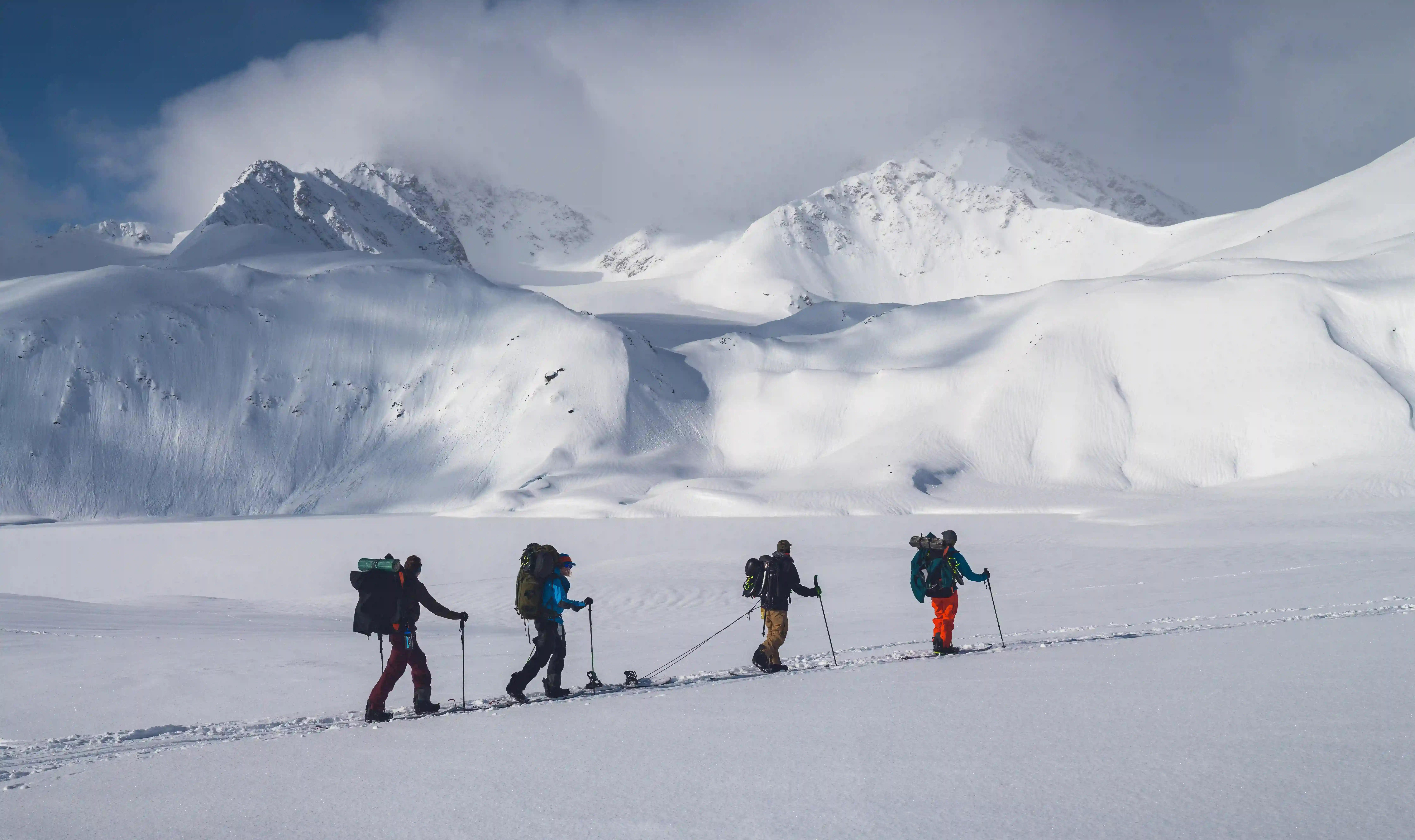
From the scenic flight to Lukla, the journey goes through the beautiful Sherpa villages, thick rhododendron forests and old monasteries to reach the busy mountain town of Namche Bazaar. After the trail takes us into less crowded Thame Valley and crosses the Renjo La Pass, we reach the stunning Gokyo Valley with its amazing glaciers and emerald lakes. The journey continues by crossing the Cho La Pass to Everest Base Camp and Kala Patthar for the unique close-up view of the highest mountain on Earth, and then crossing the last and highest pass of the trip - Kongma La Pass and returning down to Chhukung and Tengboche.
This trek is designed for experienced trekkers seeking a physically demanding adventure with exceptional rewards. En route, you will have a taste of Sherpa culture, Buddhism, beautiful Alpine scenery, glacial valleys, and some of the highest viewpoints in the world, making it one of the most memorable treks of Nepal.

Highlights

  • Finish off the classic Everest Three Passes Trek in the suggested clockwise direction.
  • Climb the three impressive Himalayan high passes such as Renjo La Pass (5,465 m), Cho La Pass (5,367 m), Kongma La Pass (5,535 m)
  • Visit the base of the world’s highest mountain at Everest Base Camp (5,364 m).
  • Go to the Kala Patthar (5,545 m) for the best view of Mount Everest.
  • Visit the turquoise colored Gokyo Lakes, which are a part of Nepal’s highest freshwater lake system.
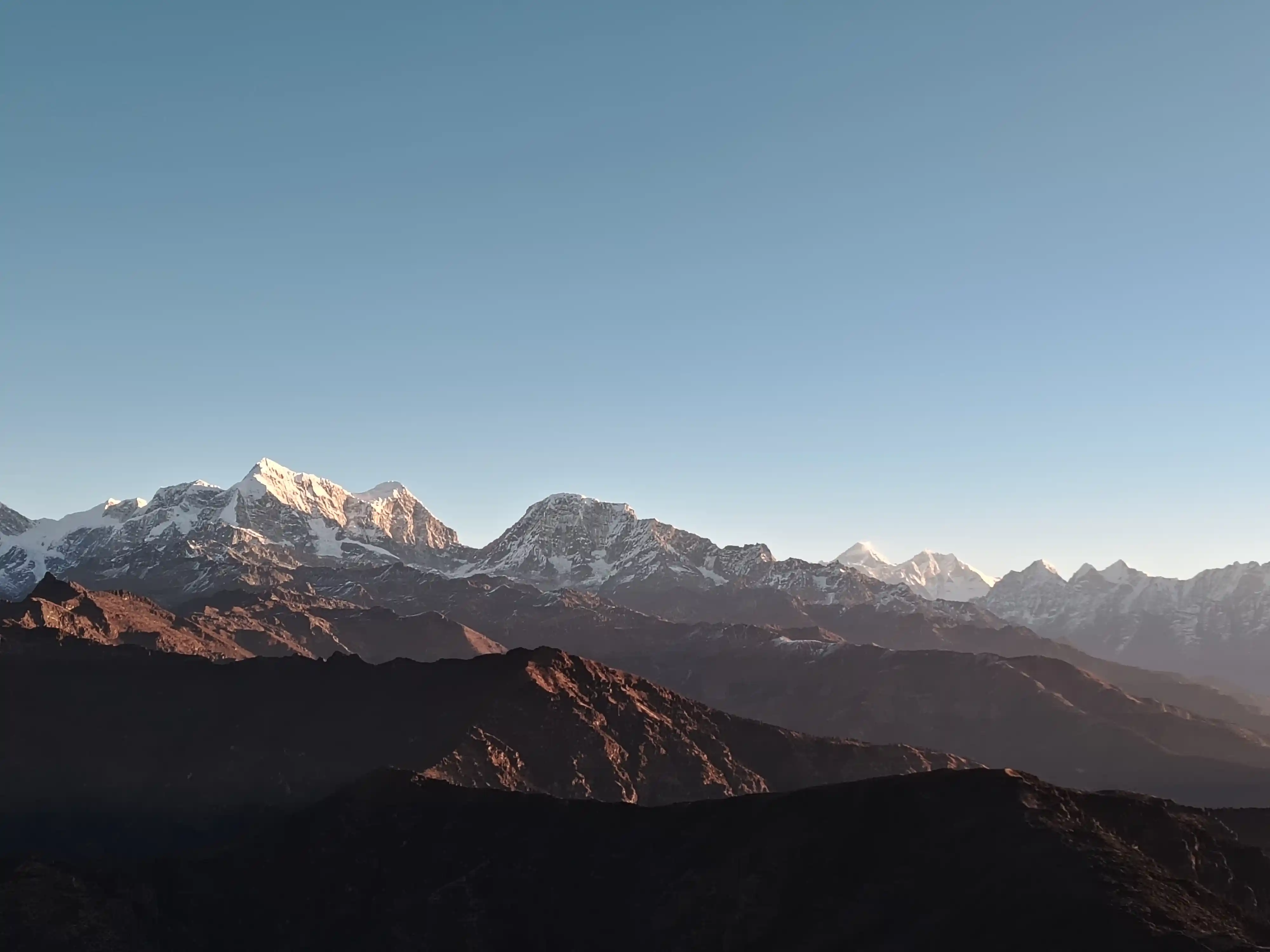
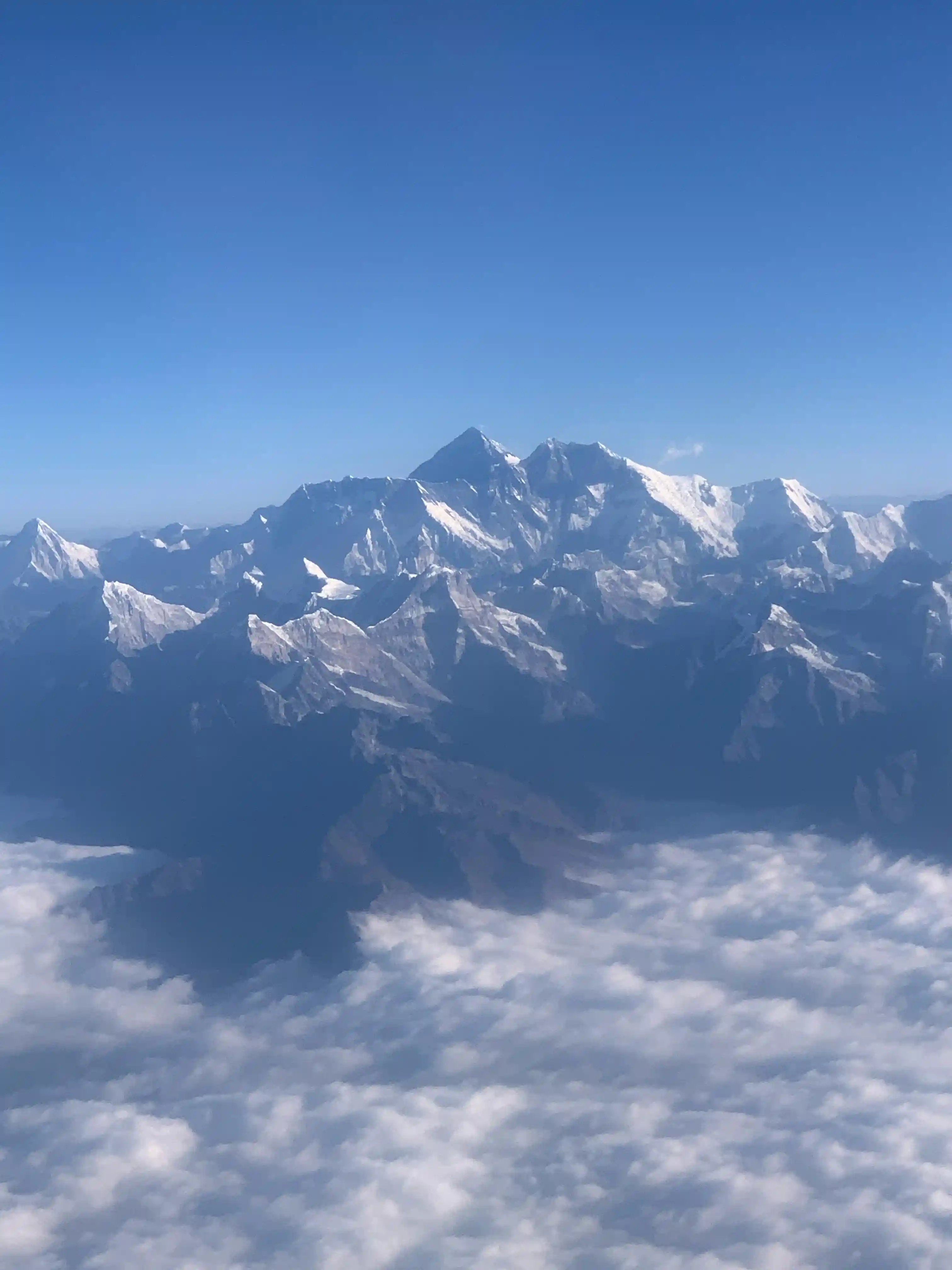
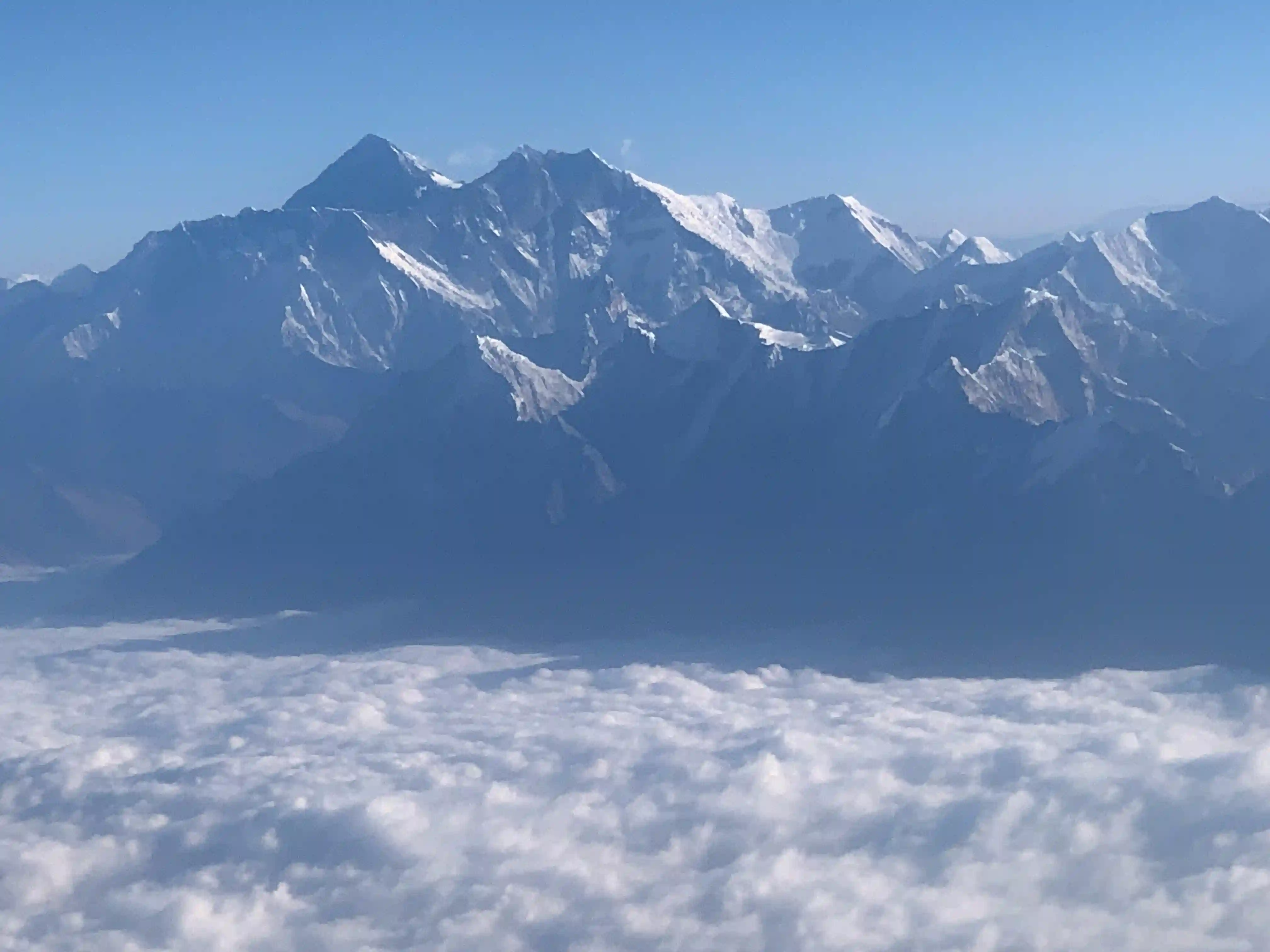
  • Marvel at the mountain scenery, which includes Everest, Lhotse, Nuptse, Makalu, Cho Oyu, Ama Dablam, and many other Himalayan peaks.
  • Explore colorful Sherpa villages such as Namche Bazaar, Thame, Gokyo, Dingboche, Chhukung, and Tengboche.
  • Visit the well-known Tengboche Monastery that is the biggest Buddhist Monastery in the Khumbu region.
  • Walk on glaciers, moraines, suspension bridges, and pristine Alpine valleys.
  • Follow more isolated trails in Gokyo and Thame before joining the classic Everest Base Camp trail.
  • Get the spectacular sunrise views of Everest and surrounding Himalayan giants from Kala Patthar.
  • Immerse into the Sherpa culture, warm hospitality and Buddhist heritage.
  • Travel to and from Lukla, experiencing one of the most scenic flights above the mountains.
  • Most suitable for experienced trekkers who want an ultimate Everest trekking experience. 

Itinerary

Day 01: Arrival in Kathmandu and Pre-Trek Preparation

On your arrival at Tribhuvan International Airport in Kathmandu, you will be greeted by a representative of Ever Nepal Adventure, who will assist you in reaching your hotel. Once you have completed the check-in process, you will have some rest and refresh yourself after the travel fatigue. In case you want to spend some time on the nearby streets, you may visit local cafes, restaurants, and shopping places. You will have a brief meeting with your trekking guide, in which you will be provided with important details regarding the upcoming trekking, and equipment will also be checked.

  • Max Elevation: 1,400 meters (Kathmandu)
  • Travel Hours: 20 to 30 minutes
  • Accommodation: 3-star standard hotel
  • Meal: Dinner

Day 02: Sightseeing in Kathmandu Valley

Once you have had breakfast at your hotel, you can start your full-day guided sightseeing tour around Kathmandu Valley in a private vehicle. You will be accompanied by a professional city guide to explore some of the most important sites in Nepal and learn about the history of the nation, its architecture and religions. The tour has been organized in such a way that you do not have to hurry, and you will have enough time to admire every single destination you will visit during this trip.

Swayambhunath Stupa: This monument is one of the oldest Buddhist temples in Nepal, situated on a hill overlooking the whole of Kathmandu Valley. Known as the Monkey Temple, it has prayer wheels, shrines and colorful prayer flags. In addition, from the height of the temple you can see an amazing panoramic view of the valley. This monument is very important both for Buddhists and Hindus.

Pashupatinath Temple: The temple is located on the bank of the holy Bagmati River and is considered the most sacred Hindu temple of Nepal. However, access to the temple is only permitted to Hindus, but there are separate areas where people can observe the religious rituals of this place.

Boudhanath Stupa: It is one of the biggest Buddhist stupas in the world and an important religious center of Tibetan Buddhism. The stupa is surrounded by monasteries, prayer wheels and traditional souvenir shops. Pilgrims walk around the stupa doing kora, which is a religious practice that includes saying prayers under the all-seeing eyes of Buddha.

Patan Durbar Square: This place is known for its numerous temples and monasteries, a rich collection of old statues and beautifully carved temples. Moreover, there is a museum located near this place where you can find more information on Nepalese culture and architecture.

After the sightseeing tour, end up returning to your hotel to prepare for the coming trek tomorrow.

  • Max Elevation: 1,400 meters (Kathmandu)
  • Travel Distance: Approximately 25 kilometers (combined distance between all sightseeing sites)
  • Travel Hours: 6 to 8 hours (including sightseeing and transfers)
  • Accommodation: Hotel
  • Meal: Breakfast

Day 3: Fly to Lukla (2,800 m) and Trek to Phakding (2,651 m)

Your Himalayan adventure begins with an early morning flight to Lukla, one of the world's most scenic mountain airports. On this trip, you get to experience amazing views of undulating hills, steep valleys, and magnificent Himalayas with their snow-covered peaks. On arrival, you will be introduced to the porters and begin making all necessary arrangements prior to starting the journey on foot. The journey starts by descending to the valley through various Sherpa settlements, crossing suspension bridges over the river known as Dudh Koshi, and viewing the prayer wheels, mani stones, and colorful prayer flags. The easy hike is intended to allow you to get used to the high altitude while familiarizing yourself with the unique culture of Khumbu Valley. Having completed your hike, you arrive at the village of Phakding, where you spend the night in a teahouse.

  •  Max Elevation: 2,800 meters (Lukla)
  •  Travel Distance: 8 kilometers (trek)
  •  Travel Hours: 30-minute flight / 3–4 hours trek
  •  Accommodation: Teahouse
  •  Meals: Breakfast, Lunch, Dinner

Day 4: Trek from Phakding to Namche Bazaar (3,440 m)

Trekking today takes you to the Dudh Koshi River along stunning pine forests and pretty Sherpa villages until reaching Sagarmatha National Park, which is also a World Heritage site by UNESCO. You will have to cross some popular suspension bridges like the well-known Hillary Suspension Bridge prior to starting the tough uphill trek to Namche Bazaar. If the weather conditions are favorable, then you will be able to catch your first glimpse of Mount Everest as you ascend higher. It's not an easy trek but definitely worth all the effort because the surroundings get increasingly more scenic. Arriving in Namche Bazaar will mark the end of your trekking for today. It is one of the most lively places in the Khumbu region. Situated between the Himalayas, Namche Bazaar boasts many cafes and bakeries along with trekking shops.

  • Max Elevation: 3,440 meters (Namche Bazaar)
  • Travel Distance: 10–11 kilometers
  • Travel Hours: 5–6 hours
  • Accommodation: Teahouse
  • Meals: Breakfast, Lunch, Dinner 

Day 5: Acclimatization Day at Namche Bazaar

This is the day of acclimatization, an important process that enables you to trek at high altitude without getting sick. Instead of lounging around the entire day, you will be climbing to higher altitude levels. Everest View Hotel would make a suitable destination for hiking today because it offers great views of Mount Everest, Ama Dablam, Lhotse, Nuptse, and Thamserku. While on the way there, you will also get the chance to visit the Sagarmatha National Park Visitor Center and the Sherpa Culture Museum, where you will learn about the fascinating history and mountaineering traditions of the area. Once back at Namche Bazaar, you will have time to unwind in one of the cafes, do some shopping in the busy market, or make the final equipment adjustments. 

  •  Max Elevation: 3,880 meters (Everest View Hotel)
  •  Travel Distance: 4–5 kilometers (acclimatization hike)
  •  Travel Hours: 3–4 hours
  •  Accommodation: Teahouse
  •  Meals: Breakfast, Lunch, Dinner

Day 6: Trek from Namche Bazaar to Thame

Unlike the famous Everest Base Camp trek, we have selected a trek route which goes west through the Bhote Koshi Valley to Thame, which is an old Sherpa settlement. In this lovely trek route, we trek through the scenic landscapes of valleys, and the sight of snow-capped peaks such as Kongde Ri and Thamserku on this trek route is breathtakingly magnificent. Unlike the other busy trails, this trek route is peaceful and gives us the pleasure of enjoying the untouched beauty of this area. On this trail, we get the opportunity to see some beautiful ancient mani walls, chortens, and prayer flags. As we trek on, we will reach Thame village, one of the oldest Sherpa settlements in Khumbu, and also the birthplace of some famous mountaineers.

  • Max Elevation: 3,800 meters (Thame)
  • Travel Distance: 8–9 kilometers
  • Travel Hours: 4–5 hours
  • Accommodation: Teahouse
  • Meals: Breakfast, Lunch, Dinner 

Day 7: Trek from Thame to Lumde

The journey today brings you deeper into the remote and upper part of the Bhote Koshi Valley, as you steadily ascend into the mountains. Yak grazing grounds, glacial rivers, and harsh alpine surroundings will be a part of your trail as you are surrounded by ever more spectacular environments. With fewer trekkers along this trail, you get the chance to enjoy an easy and comfortable trekking day surrounded by magnificent mountain views. As your guide maintains an even tempo, you will continue to acclimatize yourself as you ascend ever higher up into the mountains. While trekking, you may come across yak caravans transporting their goods all the way up to the far-flung villages in the mountains. On completion of your day of trekking, you will arrive at Lumde village.

  • Max Elevation: 4,368 meters (Lumde)
  • Travel Distance: 7–8 kilometers
  • Travel Hours: 4–5 hours
  • Accommodation: Teahouse
  • Meals: Breakfast, Lunch, Dinner 

Day 8: Trek from Lumde to Gokyo (4,800 m) via Renjo La Pass (5,465 m)

One of the best days of your trekking trip will be this one as you cross the Renjo La Pass. When you start trekking today, you will be trekking uphill through a very steep alpine region, which will take you up to a height of 5,465 meters above sea level. Some of the most amazing scenery that you will get to see here includes the most famous mountain ranges, including Mount Everest, Lhotse, Makalu, and Cho Oyu, among many others. You will also get to see the turquoise water of the Gokyo Lakes below the stunning Himalayan backdrop. Once you have taken some pictures and enjoyed the surroundings, you will head back down into the scenic valley of Gokyo.

  • Max Elevation: 5,465 meters (Renjo La Pass)
  • Travel Distance: 11–12 kilometers
  • Travel Hours: 7–8 hours
  • Accommodation: Teahouse
  • Meals: Breakfast, Lunch, Dinner 

Day 9: Acclimatization Day at Gokyo Lake

Today is another important acclimatization day to help your body adjust to the increasing altitude before continuing toward Cho La Pass. Rather than taking a complete rest, you will enjoy a short hike to Gokyo Ri (5,357 m), one of the finest viewpoints in the Everest region. The climb rewards you with breathtaking panoramic views of Mount Everest, Cho Oyu, Lhotse, Makalu, and the surrounding Himalayan ranges. From the summit, you can also admire the entire chain of emerald-blue Gokyo Lakes and the immense Ngozumpa Glacier, the longest glacier in Nepal. After spending some time enjoying the scenery and taking photographs, you will descend back to Gokyo village. The remainder of the day can be spent relaxing beside the beautiful lake, exploring the village, or preparing for the challenging trek over Cho La Pass on the following day.

  • Max Elevation: 5,357 meters (Gokyo Ri)
  • Travel Distance: 4–5 kilometers (acclimatization hike)
  • Travel Hours: 3–4 hours
  • Accommodation: Teahouse
  • Meals: Breakfast, Lunch, Dinner

Day 10: Trek from Gokyo to Thagnak (Dranang)

After breakfast, leave the beautiful Gokyo Valley and continue toward the small settlement of Thagnak. The trail follows the edge of Gokyo Lake before crossing the rugged moraine of the Ngozumpa Glacier, the longest glacier in Nepal. Despite the hike being comparatively shorter than the others, the glacial terrain requires a stable walking speed. In the presence of beautiful mountain formations and Himalayan peaks, you will be able to relish magnificent landscapes during the entire hiking process. On reaching the destination, Thagnak, you will be able to rest adequately for the tough trek through Cho La Pass the next day.

  • Max Elevation: 4,800 meters (Gokyo)
  • Travel Distance: 4 kilometers
  • Travel Hours: 3–4 hours
  • Accommodation: Teahouse
  • Meals: Breakfast, Lunch, Dinner 

Day 11: Trek from Thagnak to Dzongla via Cho La Pass (5,367 m)

Start your trek the day before sunrise, as climbing up the famous Cho La Pass in the Everest region can be quite strenuous. It will certainly give you a hard time due to its steep terrain, but seeing glaciers and snowy peaks around you makes it all worthwhile. At 5,367 meters above sea level, you will have to take some time off to admire the amazing scenery and then begin descending towards Dzongla. It may be rocky, and some portions may have ice, so do keep that in mind when you walk through this trail. Finally, reach the tranquil settlement of Dzongla and stay overnight.

  • Max Elevation: 5,367 meters (Cho La Pass)
  • Travel Distance: 8–9 kilometers
  • Travel Hours: 6–7 hours
  • Accommodation: Teahouse
  • Meals: Breakfast, Lunch, Dinner 

Day 12: Trek from Dzongla to Gorak Shep (5,164 m)

The current day’s trek connects back to the original Everest Base Camp trek as you trek towards Gorak Shep from Lobuche. Trekking along the amazing Khumbu Glacier, you get the chance to enjoy wonderful views of Nuptse, Lobuche Peak, Pumori, and other amazing peaks of the Himalayas. The elevation increases along the trekking route, making the trail more difficult. Therefore, trekking at a comfortable speed becomes important. Taking a brief stop in Lobuche, trek on a rocky surface covered in glacial ice and reach Gorak Shep, which is the last village before the Everest Base Camp. After spending some time trekking and arriving at Gorak Shep, you will check into your teahouse.

  • Max Elevation: 5,164 meters (Gorak Shep)
  • Travel Distance: 8 kilometers
  • Travel Hours: 5–6 hours
  • Accommodation: Teahouse
  • Meals: Breakfast, Lunch, Dinner 

Day 13: Hike to Everest Base Camp (5,364 m) and Return to Gorak Shep

This day marks one of the most memorable experiences of your trek as you head towards the famous Everest Base Camp. Trekking along the Khumbu Glacier at the edges through the rugged terrain, the trek then leads you to the base camp from where people all over the world start their expedition to scale the heights of Mount Everest. Seeing the highest peak in the world up close is an experience which remains forever etched in one’s memory, along with seeing the Khumbu Icefall and other peaks of the Himalayan range. After photographing the spot, you can then head back to Gorak Shep.

  • Max Elevation: 5,364 meters (Everest Base Camp)
  • Travel Distance: 10–12 kilometers (round trip)
  • Travel Hours: 6–7 hours
  • Accommodation: Teahouse
  • Meals: Breakfast, Lunch, Dinner 

Day 14: Hike to Kala Patthar (5,545 m) and Trek to Lobuche

The day starts early when you wake up before dawn and proceed for a climb to Kala Patthar, which serves as the highest point during the trekking journey uand the best place for viewing the entire region. Seeing the sunrise on Everest, Lhotse, Nuptse, and Pumori is definitely the most satisfying moment of the whole trip. When you spend some time at the peak, you make your way down to Gorak Shep to have breakfast before moving further to Lobuche. You will walk downhill via the Khumbu Glacier in order to admire the beautiful glacial scenery. Once you get to Lobuche, you spend a night there.

  • Max Elevation: 5,545 meters (Kala Patthar)
  • Travel Distance: 9–10 kilometers
  • Travel Hours: 6–7 hours
  • Accommodation: Teahouse
  • Meals: Breakfast, Lunch, Dinner 

Day 15: Trek from Lobuche to Chhukung via Kongma La Pass (5,535 m)

This adventure today will see you pass through Kongma La Pass, which is not only the highest but also the toughest of the three Everest passes. As you ascend slowly through the steep alpine region, you finally reach the top at an altitude of 5,535 meters, from where you will be greeted with spectacular views of Everest, Makalu, Lhotse, Ama Dablam, and the glaciers around you. After enjoying the success of passing through all three famous passes, you can slowly make your way down into the picturesque Imja Valley.

  • Max Elevation: 5,535 meters (Kongma La Pass)
  • Travel Distance: 11–12 kilometers
  • Travel Hours: 6–7 hours
  • Accommodation: Teahouse
  • Meals: Breakfast, Lunch, Dinner 

Day 16: Trek from Chhukung to Tengboche

After descending from the higher altitudes, you continue on down to the beautiful valley of Imja before reaching Tengboche village. Further ahead, you proceed past the villages of Dingboche and Pangboche with the majestic views of the Ama Dablam and all the Himalayan mountain range around you. You will have passed through the grazing areas for yaks, forests of rhododendrons and traditional Sherpa villages until you reach Tengboche, where the largest and most important Buddhist monastery of Nepal is located. You will get enough time to pay a visit to the monastery and enjoy the serene environment amid the scenic views.

  • Max Elevation: 4,730 meters (Chhukung)
  • Travel Distance: 12–13 kilometers
  • Travel Hours: 5–6 hours
  • Accommodation: Teahouse
  • Meals: Breakfast, Lunch, Dinner 

Day 17: Trek from Tengboche to Namche Bazaar

The last hiking day begins with an experience in the midst of green forests, crossing suspension bridges and passing through scenic Sherpa villages as you hike downhill towards Namche Bazaar. Take advantage of your last opportunity to catch sight of Everest, Ama Dablam and other Himalayas as they get hidden behind the hills surrounding you. Crossing the Dudh Koshi river multiple times, you will be making your way back to the lively mountain town where your expedition started. After hiking for a while, you finally reach Namche Bazaar and congratulate yourself on completing the Everest Three Passes Trek.

  • Max Elevation: 3,867 meters (Tengboche)
  • Travel Distance: 9–10 kilometers
  • Travel Hours: 4–5 hours
  • Accommodation: Teahouse
  • Meals: Breakfast, Lunch, Dinner 

Day 18: Trek from Namche Bazaar to Lukla

Following your breakfast, you start on the last day of your trek as you make your way down through forests of pine and rhododendrons, traversing a number of suspension bridges over the Dudh Koshi River. You make your way back past some of the places that you have already been before, namely Monjo, Phakding, and Chheplung, while enjoying the last sights of the Everest region. Although the descent will mostly be down, there are a few stretches of gradual inclines along the way. You may take a little time to reflect on what an amazing experience it has been to traverse the three high passes and get to Everest Base Camp, as well as some of the most beautiful mountain scenery in the world.

  • Max Elevation: 3,440 meters (Namche Bazaar)
  • Travel Distance: 18–19 kilometers
  • Travel Hours: 6–7 hours
  • Accommodation: Teahouse
  • Meals: Breakfast, Lunch, Dinner 

Day 19: Fly from Lukla to Kathmandu

You get up early and take your beautiful morning flight from Lukla to Kathmandu. It should be remembered that weather conditions play an important role for this flight. If the weather is favorable, you will have a chance to see the picturesque scenery of the Himalayas once again before leaving Nepal. You will be taken to your hotel, where you will be able to have some rest after the Everest Three Passes trekking journey. You will have the whole day to relax, explore Kathmandu on your own, buy souvenirs or visit local cafes and sights. In the evening, you can have a farewell dinner as a celebration of the accomplishment of your trekking journey in the Himalayas.

  • Max Elevation: 2,800 meters (Lukla)
  • Travel Distance: 6–8 kilometers (airport to hotel transfer)
  • Travel Hours: 30-minute flight / 20–30 minutes drive
  • Accommodation: 3-star hotel
  • Meal: Breakfast 

What's included

  • Airport pickup and drop-off transfers in Kathmandu.
  • 3-star hotel accommodation in Kathmandu on a twin-sharing basis.
  • Twin-sharing teahouse accommodation throughout the trek.
  • Welcome dinner in Kathmandu.
  • Breakfast in Kathmandu as per the itinerary.
  • Three daily meals (breakfast, lunch, and dinner) during the trek.
  • Seasonal fresh fruits served during the trek.
  • Round-trip domestic flights between Kathmandu and Lukla (or Ramechhap–Lukla, depending on the flight schedule), including airport taxes.
  • Private vehicle for the Kathmandu Valley sightseeing tour.
  • Professional English-speaking cultural guide for the Kathmandu sightseeing tour.
  • Government-licensed, experienced English-speaking trekking guide.
  • Porter service (1 porter shared between 2 trekkers; maximum 20 kg combined luggage).
  • All meals, accommodation, salary, insurance, transportation, and equipment for the guide and porter.
  • Sagarmatha National Park Entry Permit.
  • Khumbu Pasang Lhamu Rural Municipality Entry Permit.
  • Comprehensive first aid kit carried by the guide.
  • Regular health monitoring using a pulse oximeter during the trek.
  • Complimentary use of a sleeping bag, down jacket, duffel bag, and trekking poles (to be returned after the trek).
  • Official trek completion certificate.
  • All applicable government taxes and company service charges.

What's excluded

  • International airfare to and from Nepal.
  • Nepal entry visa fees.
  • Travel insurance (mandatory), including coverage for high-altitude trekking and emergency helicopter evacuation.
  • Personal trekking equipment and clothing not provided by the company.
  • Lunch and dinner in Kathmandu (except the welcome dinner).
  • Alcoholic beverages, soft drinks, bottled water, tea, coffee, and other personal beverages.
  • Snacks, desserts, and other personal food items not included in the itinerary.
  • Personal expenses such as laundry, Wi-Fi, battery charging, hot showers, telephone calls, and souvenirs.
  • Tips and gratuities for guides, porters, drivers, and other staff (customary but optional).
  • Additional accommodation or meals due to early arrival, late departure, or itinerary changes.
  • Expenses resulting from flight delays or cancellations, adverse weather, natural disasters, landslides, political unrest, illness, or any circumstances beyond the company's control.
  • Personal medical expenses and rescue costs not covered by travel insurance.
  • Any services or expenses not specifically mentioned under "Cost Includes."

Packing List for the Everest Three Passes Trek

Carrying the correct supplies is important if one wants to have a safe experience during the Everest Three Passes Trek. It is an adventurous trip that goes across three mountain passes, glaciers, rocky paths, and difficult terrain with changing weather conditions. Carrying the necessary supplies is going to make the trip comfortable and enjoyable for you.

Head

  • Wide-brimmed sun hat or cap
  • Warm woolen beanie
  • Buff or neck gaiter
  • UV-protected sunglasses
  • High-SPF sunscreen
  • Lip balm with SPF
  • Lightweight headlamp with spare batteries
  • Facial wipes

Hands

  • Waterproof outer gloves
  • Insulated thermal gloves
  • Hand warmers (optional)

Upper Body

  • Thermal base layers
  • Moisture-wicking trekking T-shirts
  • Long-sleeve trekking shirts
  • Fleece jacket
  • Insulated down jacket
  • Waterproof and windproof shell jacket
  • Lightweight insulated jacket
  • Raincoat or poncho

Lower Body

  • Thermal leggings or base layers
  • Waterproof trekking pants
  • Fleece trekking trousers
  • Lightweight hiking pants
  • Insulated pants for high-altitude sections
  • Quick-drying undergarments

Footwear

  • Waterproof trekking boots with good ankle support
  • Camp sandals or lightweight slippers
  • Gaiters (recommended during snowy conditions)
  • Warm woolen socks
  • Moisture-wicking trekking socks
  • Microspikes (optional during winter or snowy months)

Toiletries

  • Toothbrush and toothpaste
  • Soap or face wash
  • Shampoo (travel-size)
  • Quick-dry towel
  • Toilet paper
  • Hand sanitizer
  • Wet wipes
  • Nail clipper

Trekking Accessories

  • Trekking poles
  • Sleeping bag suitable for sub-zero temperatures
  • Duffel bag
  • Daypack (25–35 liters)
  • Reusable water bottle or hydration bladder
  • Water purification tablets or portable filter
  • Power bank
  • Camera or smartphone
  • Universal travel adapter
  • Dry bags or waterproof backpack cover

First Aid and Personal Medication

  • Diamox (for altitude sickness, if recommended by your doctor)
  • Bandages
  • Antiseptic cream or wipes
  • Pain relief medication
  • Blister treatment supplies
  • Anti-diarrheal medication
  • Personal prescription medicines
  • Cough lozenges

Miscellaneous

  • Passport photocopies
  • Energy bars and snacks
  • Notebook or journal
  • Binoculars (optional)
  • Lightweight thermos flask
  • Extra camera or headlamp batteries

Recommended Gear for Women
Women trekkers may find the following items particularly useful for added comfort during the trek:

  • Sports bra
  • Thermal leggings
  • Comfortable undergarments
  • Sanitary pads or tampons
  • Feminine hygiene products
  • Moisturizer and skincare essentials
  • Sunscreen and lip balm
  • Fleece headband
  • Hair ties
  • Travel-size shampoo and conditioner

Frequently Asked Questions

How hard is the Everest Three Passes Trek?

This trekking trail has been rated as one of the toughest in the Everest region. It requires crossing three mountain passes higher than 5,300 meters, trekking long hours per day through rocky and tough alpine landscape. Having previous high-altitude trekking experience and being physically fit will be a great help in this trek.

When is the right time to do the Everest Three Passes Trek?

Among the seasons that are ideal for conducting this kind of hike are the spring season from March to May, and also the autumn from September to November. The climatic conditions during these months are always favorable, as the temperature is mild, there are clear views of the mountains, and it is also safe to cross the Renjo La, Cho La, and Kongma La passes.

Is previous trekking experience necessary for this trek?

Though previous experience is not mandatory for this trek, it is highly recommended since it is a challenging one which involves steep ascent, glacier crossing, and crossing many high passes that require physical fitness of the trekkers and walking 6 to 8 hours per day at high altitude. Doing previous high altitude trekking trails may prepare you well for this journey.

Is it mandatory to take travel insurance while doing the Everest Three Passes Trek?

Yes, it is very much mandatory to take travel insurance for all the things because you will be trekking above 5,500 meters altitude. The travel insurance should cover high altitude trekking, helicopter evacuation, medical assistance, hospitalization, and delays during trekking. It is recommended not to go without taking insurance because of the remoteness of the destination.

What is the type of accommodation and food offered during the trek?

There are comfortable traditional teahouses that offer accommodation in clean twin-sharing rooms equipped with basic facilities. The meals will consist of various dishes that include Dal Bhat, noodles, rice, pasta, soup, potatoes, eggs, pancakes, and beverages. Even though the facilities become basic at higher altitudes, teahouses offer warm and comfortable accommodation.

Why is the clockwise route of the trek considered better?

A clockwise route will allow the trekkers to gain proper acclimatization with the increasing altitude before crossing the passes. In the clockwise route, the trekkers will start with Renjo La Pass, then they will go through Cho La Pass, and after that they will cross Kongma La Pass. 

What is the highest point of the Everest Three Passes Trek?

At an elevation of 5,545 meters (18,192 feet), Kala Patthar is the highest point that can be reached on the Everest Three Passes Trek; it offers some of the best panoramic vistas of Mt. Everest, Nuptse, Lhotse, Pumori, and other Himalayan summits in the vicinity. Even though the highest trekking pass on the route is Kongma La Pass, at an elevation of 5,535 meters, Kala Patthar is a bit higher and is often thought to be the best viewpoint in the entire Everest region.

User Review