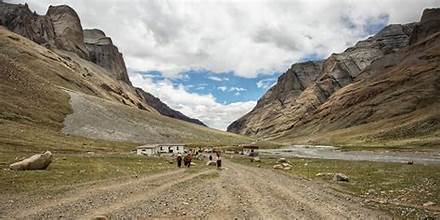
Kailash Mansarovar Yatra via Lhasa Overland Route (20 Days)

Tour Info

trip code

DE-0014

Starting Point/ End Point

kathmandu/lhasa

Accommodations

Hotel

Max Altitude

5630 m

Duration

20 days

country

Tibet

Trip grade

Challenging

Activities

City Tour

Best Season

April, May, June, September, October, November

Overview

The Kailash Mansarovar Yatra via Lhasa overland route journey is a blend of spiritual and cultural experiences that connects two different countries (China and Nepal). It begins in Kathmandu, which is known for its ancient temples, UNESCO World Heritage Sites, and scenic hills and rivers that offer a peaceful and welcoming atmosphere. Your journey goes through Tibet via Hilsa, where you witness high-altitude landscapes, clear skies, and traditional Tibetan life and religion with monasteries, prayer flags, mani walls, and villages. The Bon religion is influenced in Tibet, which was first introduced by Tonpa Shenrab Miwoche. This religion combines elements of animism and shamanism. The journey’s highlights include the sacred Mount Kailash and Lake Mansarovar, concluding in Lhasa.

Details

Kailash Mansarovar yatra via Lhasa overland route journey is a special and cultural experience that connects Tibet with Nepal. Your journey begins from Kathmandu. This place is renowned for the ancient temples, UNESCO World Heritage Sites and rich cultures. Nepal also offers beautiful natural scenery, including green hills, rivers, and distant Himalayan views. You can find a peaceful environment and experience the warm hospitality of the locals. This experience can even make your journey unforgettable. 

The journey continues to Tibet via the China border at Hilsa. Upon reaching China, you can experience the change in landscape from wide open land, high mountains, to clear blue skies. While exploring, you can also observe the Tibetan culture that is deeply rooted in spirituality, and traditions. You also find numerous monasteries, prayer flags, mani walls, and traditional villages on this journey. The life you find here is simple and closely connected to religion and nature.

Bon religion is the ancient spiritual tradition of Tibet that was practiced before Buddhism arrived (7th century). This religion combines elements of animism and shamanism. Moreover, this religion believes in spirits, deities, and the sacred power of nature. The rituals performed within this religion are based mainly on healing, protection, and harmony. This religion originated in the ancient Zhangzhung kingdom near Mount Kailash. Tonpa Shenrab Miwoche is recognized for introducing this religion in Tibet. Now, the Bon religion developed its own monasteries and traditions. 

The main highlights of this journey are witnessing the crystal-clear view of Mount Kailash and exploring Lake Mansarovar, which is believed to cleanse sins and seek blessings. Your journey concludes in Lhasa, which is famous for its monasteries and a strong spiritual atmosphere.

Highlights

  • Sightseeing opportunities in the Kathmandu valley. 

  • Scenic domestic flights to Nepalgunj and Simikot with beautiful views of the mountains. 

  • Trek through rivers, forests, suspension bridges, and traditional villages. 

  • Cross the high Nara La Pass and enter Tibet at Hilsa. 

  • Explore Tibetan landscapes and culture in Purang. 

  • Observe Mount Kailash and the nearby sacred lakes. 

  • Visit spiritually important sites like Tirthapuri and Garuda Valley. 

  • Complete the sacred 3-day Kailash Kora through the route Dirapuk and Zuthulpuk. 

  • Cross the challenging Dolma La Pass. 

  • Explore Lake Mansarovar. 

  • Visit Shigatse and continue a scenic drive to Lhasa.

Itinerary

Day 1: Arrival in Kathmandu (1,350m/4,429ft)

Your Kailash Mansarovar Yatra via Lhasa overland route journey starts once you reach the TIA (Tribhuvan International Airport). Upon arrival at the airport, the EverNepal representatives welcome you and help you transfer to your 3-star hotel. There, you can take a well-deserved rest and can explore the vibrant places near your hotel. In the evening, you are invited to a welcome dinner. After eating the delicious dinner, you spend the night in your premium room. 

Max Elevation: 1400 meters (Kathmandu)
Travel Distance: 5 to 6 kilometres
Travel Hours: 20 to 30 minutes   
Accommodation: 3-star Hotel
Meals Included: Dinner

Day 2: Free day in Kathmandu with visa and trip preparation (1,350m/4,429ft)

After having breakfast at your hotel, you will be free to use the rest of your day according to your convenience. There is ample time for you to explore the distinct culture of the place and learn more about the exciting atmosphere prevailing there. Today’s itinerary is all about offering you a free day in the capital city of Nepal, which you could choose to use for either shopping, sightseeing, or enjoying Nepalese cuisine.


A. Explore the UNESCO World Heritage Sites of Nepal

Kathmandu is home to a variety of UNESCO World Heritage sites. Visit ancient temples, palaces, and stupas to witness the architectural beauty of Nepal.


B. Markets in Kathmandu

The markets in Kathmandu are the best places to explore if you want to know more about the culture of Kathmandu. The markets of Kathmandu sell all kinds of items, including handicrafts, souvenirs, traditional clothes, and trekking equipment.


C. Try the Local Cuisines

There are several types of cuisines available in Kathmandu, both native Nepali and foreign cuisines. Devote this day to enjoying various foods.

D. Prepare for the Trek

Today is meant for making arrangements related to the trek. Organize your luggage and trekking gear in Kathmandu. Buy those items that you may miss. You must make sure that all necessary belongings, like clothes, equipment, etc., are ready for your journey.

Relax in your hotel after arranging all the things required for the trek. Get proper rest and enjoy your sleep, as it will prepare you for an adventurous trip ahead.

  • Max Elevation: 1,400 meters (Kathmandu)

  • Travel Distance: Flexible

  • Travel Hours: Leisure Day

  • Accommodation: 3-Star Hotel

  • Meals Included: Breakfast 

Day 3: Fly from Kathmandu to Nepalgunj (150m/492ft)

After a hearty breakfast, you take your belongings and take a ride towards TIA for the scenic flight to Nepalgunj. Once you arrive at the TIA, our representatives help you in the check-in and boarding process. After this, you take a scenic flight to Nepalgunj. During this flight, you get to enjoy the aerial views of the green mid-hills, landscapes, Rapti river, Langtang mountain, and Ganesh mountain. After flying for about 50 minutes, you arrive at Nepalgunj. After arriving at this place, you get to rest at the hotel and enjoy the nearby places. At night, you eat a relaxed dinner before staying overnight. 

Max altitude: 150 m
Flight hours: 50 minutes
Accommodation: Hotel
Meals: Breakfast, Lunch and Dinner

Day 4: Fly to Simikot and trek to Dharapori (2,400m/7,874ft, 4-6 hrs)

Following a leisurely breakfast, you take an early flight from Nepalgunj to Simikot, offering breathtaking aerial views of the Karnali River, deep gorges, rugged terrain, small villages and snow-capped mountains. After around 1 hour of scenic flight, you arrive at Simikot. Upon reaching here, you take a short rest and start your first trekking towards Dharapori. During trekking, you get to witness the beautiful views of Humla Karnali river, pine forest, high suspension bridges and remote settlements. After around 4 to 6 hours of trekking, covering a distance of 10 km, you arrive at Dharapori, where you eat a delicious dinner before staying overnight.

Max Elevation: 2,400 meters
Travel Distance: 10 kilometres
Travel Hours: 4 to 6 hours  
Accommodation: Tea house/lodge
Meals Included: Breakfast, Lunch and Dinner

Day 5: Trek from Dharapori to Kermi (2,860m/9,384ft, 5-6 hrs)

Day 5: Trek from Dharapori to Kermi (2,860m/9,384ft, 5-6 hrs)
In the early morning, you receive a warm breakfast. After that, you continue your trek towards Kermi. You ascend through the Karnali River, the pine forest, the farmlands and the steep terrain before arriving at the day 5 destination. During trekking, you get to witness stunning views of Karnali river, gorges, waterfalls, Buddhist monasteries, mani walls and prayer flags. After a trek for around 5 to 6 hours by covering a distance of 14 km, you arrive at Kermi. This is the place where you eat a relaxed dinner before spending the night in a cozy room.

Max Elevation: 2,860 meters
Travel Distance: 14 kilometres
Travel Hours: 5 to 6 hours  
Accommodation: Tea house/lodge
Meals Included: Breakfast, Lunch and Dinner

Day 6: Trek from Kermi to Yalbang (2,879m/9,446ft, 5-6 hrs)

After a warm breakfast, you continue your trek towards Yalbang. You trek from ancient salt trading routes along the Sali Khola and Humla Karnali River to arrive at the Day 6 destination. This trek involves trekking through pine forests, a small pass and a high suspension bridge. While trekking, you witness local, traditional mule caravans, cliffs, river gorges, and the large Namkha Khyung Dzong Monastery. After around 5 to 6 hours of trekking, covering a distance of 12 kilometers, you reach Yalbang, where you eat a delicious dinner at night and spend the night in a cozy room. 

Max Elevation: 2,879 meters
Travel Distance: 12 kilometres
Travel Hours: 5 to 6 hours  
Accommodation: Tea house/lodge
Meals Included: Breakfast, Lunch and Dinner

Day 7: Trek from Yalbang to Tumkot (3,073m/10,083ft, 5-6 hrs)

Following a leisurely breakfast, you continue your trek from Yalbang to Tumkot. On the way, you are offered the stunning views of the Karnali River, arid landscape, ancient monasteries, the daily life of local people, and a high suspension bridge. You have to trek through Yangar village and Muchu village to reach the day 7 destination. After trekking for around 5 to 6 hours, covering a distance of 17. 6 km, you arrive at Tumkot, where you take a well-deserved rest. At night, you are served with a warm dinner before spending the night in a cozy room. 

Max Elevation: 3,073 meters
Travel Distance: 17.6 kilometres
Travel Hours: 5 to 6 hours  
Accommodation: Tea house/lodge
Meals Included: Breakfast, Lunch and Dinner

Day 8: Trek from Tumkot to Yari (3,663m/12,018ft, 6-7 hrs)

In the early morning, you are provided with a delicious breakfast. After having breakfast, you continue your trek towards Yari. You ascend through the rocky, barren landscape that contains low juniper bushes. While trekking, you get the opportunity to witness the jaw-dropping views of the Karnali River gorge, juniper bushes, Pani Palbang village, and Dhungkar Choezom monastery. After trekking for around 6 to 7 hours, covering a distance of 7.8 km, you arrive at Yari. At this place, you eat your leisurely dinner and spend a comfortable night in your cozy room. 

Max Elevation: 3,663 meters
Travel Distance: 7.8 kilometres
Travel Hours: 6 to 7 hours  
Accommodation: Tea house/lodge
Meals Included: Breakfast, Lunch and Dinner

Day 9: Trek from Yari to Hilsa via Nara La pass (4,620m/15,158ft, 5-6 hrs)

After an early morning breakfast, you continue your trek towards Hilsa through Nara La pass. On the way, you need to cross Thado Dhunga and Nara La pass itself to arrive at Hilsa. While trekking, you witness Limi Valley villages, ancient monasteries, the Karnali river, the Chugzur hot spring, wildlife and mountain peaks such as Saipal, Api, and distant glimpses of Tibet’s Mt. Kailash. You take a short break at Nara La pass to witness the panoramic views of the surrounding Himalayan giants and the Tibetan Plateau. After trekking for around 5 to 6 hours, covering a distance of 35 kilometers, you arrive at Hilsa, where you eat a warm dinner and stay overnight.  

Max Elevation: 4,620 meters
Travel Distance: 35 kilometres
Travel Hours: 5 to 6 hours  
Accommodation: Tea house/lodge
Meals Included: Breakfast, Lunch and Dinner

Day 10: Drive from Hilsa to Purang (3,772m/12,376ft, 2-3 hrs)

Following the leisurely breakfast, you continue your trek towards Purang. To arrive at the Day 10 destination, you need to cross the Karnali River bridge. On the route, you witness the beautiful views of the Karnali River, mountain landscapes, and Tibetan culture. Moreover, you can observe prayer flags, and caves. After a scenic drive for around 2 to 3 hours, covering a distance of 30 km, you arrive at Purang. At this place, you eat a delicious dinner before spending the night in a comfortable room. 

Max Elevation: 3,772 meters
Travel Distance: 30 kilometres
Travel Hours: 2 to 3 hours  
Accommodation: Tea house/lodge
Meals Included: Breakfast, Lunch and Dinner

Day 11: Drive from Purang to Monster and have a sightseeing in Tirtapuri (4,510m/14,797ft, 3-4 hrs)

After a hearty breakfast at your hotel, you continue your trekking journey towards Monster. During a scenic drive, you see breathtaking views. After the scenic drive, you reach Monster. When you reach the destination, you take a rest for a while and then go for the drive to Tirtapuri. It takes around 2 to 3 hours, covering a distance of 70 km, to reach Tirtapuri. In this place, you can visit Tirtapuri monastery, Tirtapuri hot spring, and cremation site. Along with this, you also explore the Tirtapuri kora path, karma-testing  and Earth holes. Once you explore these places, you return to your hotel, where you eat a relaxed dinner before staying overnight. 

Max Elevation: 4,510 meters
Travel Distance: 105 kilometres
Travel Hours: 3 to 4 hours  
Accommodation: Tea house/lodge
Meals Included: Breakfast, Lunch and Dinner

Day 12: Sightseeing of Garuda Valley, then transfer to Darchen (4,700m/15,421ft, 3-4 hrs)

After an early breakfast, you, along with your guide, go on a sightseeing tour to Garuda Valley in the morning. During a sightseeing tour, you get a glimpse of the ancient Bon religion. You explore the cave dwellings, Khyunglung Silver Palace, Meditation Caves, and Gurugyam monastery upon reaching the Garuda valley. After exploring these attractions, you are then transferred to your Drachen by a private vehicle, which takes around 3 to 4 hours, covering a distance of 130 km. While on a scenic ride, you witness the Tibetan plateau, Lake Mansarovar, Khyunglung caves, ancient caves, canyons and mountain vistas such as Naimonanyi and Kailash. After a few hours of driving, you arrive at Darchen, where you eat a delicious dinner before spending the night. 

Max Elevation: 4,700 meters
Travel Distance: 130 kilometres
Travel Hours: 3 to 4 hours  
Accommodation: Tea house/lodge
Meals Included: Breakfast, Lunch and Dinner

Day 13: First day of Kora: hiking to Dira Puk Monastery (5,120m/16,799ft, 5-6 hrs)

Day 13 is allocated for the first day of Mount Kailash kora. On this day, you, along with your guide, go for a short hike towards the Dirapuk monastery. While hiking, you are offered a beautiful view of the north face of Mt. Kailash, the spiritual Yamadwar, the Lha Chu River valley, prayer flags, local pilgrims and finally the Dirapuk monastery. After exploring the spiritual Dirapuk monastery, you take a well-deserved rest at the lodge. At night, you receive a warm dinner before staying overnight at Dirapuk.

  • Max Elevation: 5,120 meters

  • Travel Distance: 13 kilometres

  • Travel Hours: 5 to 6 hours  

  • Accommodation: Tea house/lodge

  • Meals Included: Breakfast, Lunch and Dinner

Day 14: Second day of Kora: hike to Zuthulpuk (4,790m/15,716ft, 6-7 hrs)

On this day, you perform a hike to Zuthulphuk as the second day of Kailash Kora. From Dirapuk, you hike for around 6 to 7 hours, covering a distance of 22 km to arrive at Zuthulphuk. While hiking, you observe the North face of Mt. Kailash, Dolma La Pass, Gauri Kund, Lha Chu river valley and Zuthulpuk monastery - known for housing Milarepa's hand and footprints in its cave. Once you deeply explore the monastery, you spend the night after having a warm dinner at Zuthulpuk. 

Max Elevation: 4,790 metersTravel Distance: 22 kilometres
Travel Hours: 6 to 7 hours  
Accommodation: Tea house/lodge
Meals Included: Breakfast, Lunch and Dinner

Day 15: Third day of Kora: hiking to Darchen, and transfer to Mansarovar (4,590m/15,060ft, 3-4 hrs)

This is the final day of Kailash Kora. On this day, you return to the Darchen from Zuthulpuk by hiking. While returning, you observe Zuthulpuk Valley, the east face of Mt Kailash, the Lha Chu river, the Mani walls, and the prayer flags. After a few hours of hiking, you arrive at Darchen. From this place, you are transferred to Mansarovar, offering a stunning view of the Tibetan plateau, Chiu Gompa monastery, Mt. Kailash, and Rakshas Tal. After a drive of around 35 km, covering a distance of around 3 to 4 hours, you arrive at Mansarovar, where you eat a relaxed dinner before spending the night at your lodge. 

Max Elevation:4,590 meters
Travel Distance: 35 kilometres
Travel Hours: 3 to 4 hours  
Accommodation: Tea house/lodge
Meals Included: Breakfast, Lunch and Dinner

Day 16: Tour of the Mansarovar Lake (4,590m/15,060ft)

Day 16 is dedicated to exploring the places of Mansarovar and the lake itself. Following a hearty breakfast, you, along with your guide, perform a sightseeing tour of the Mansarovar Lake. After a little time, you arrive at the lake. Upon reaching, you can engage in spiritual and meditative activities. Additionally, you can take a holy bath to cleanse the sins, collect consecrated water, perform rituals and puja to seek blessings. Later on, you can explore the nearby places of Lake Mansarovar. This exploration offers you a glimpse of the pristine beauty and lifestyle of locals. After exploring the lake and nearby places, you return to your lodge, where you eat a warm dinner before spending the night. 

Max Elevation: 4,590 meters
Accommodation: Tea house/lodge
Meals Included: Breakfast, Lunch and Dinner

Day 17: Drive from Mansarovar to Saga (4,600m/15,093ft)

After a delicious breakfast, you pack your belongings and take a seat in the private vehicle to head towards Saga. You have a scenic drive through Darchen, Chiu Gompa monastery area, Paryang, and various high-altitude Tibetan landscapes before arriving at Saga. During a drive, you witness Lake Mansarovar, Chui Gompa monastery, Guru Rinpoche cave, Saga Dawa sites, and Mayum La pass. Along with it, you also observe the Brahmaputra River, and the Peiku Tso lake on the way to Saga. After a scenic drive for around 9 hours, covering a distance of 450 km, you arrive at Saga, where you eat a delicious dinner before staying overnight.  

Max Elevation: 4,600 meters
Travel Distance: 450 kilometres
Travel Hours: 9 hours  
Accommodation: Tea house/lodge
Meals Included: Breakfast, Lunch and Dinner

Day 18: Drive from Saga to Shigatse (3,900m/12,796ft)

In the early morning, you are provided with a hearty breakfast. After that, you take a seat in a private vehicle and drive towards Shigatse. To arrive at the 18th day destination, you pass through Pekutso Lake, Gongtang la pass, Tingri, and Lhatse. While you are on a scenic drive, you are offered breathtaking views of the Brahmaputra River, the Tashilhunpo Monastery and mountains such as Shishapangma. After a picturesque drive for around 450 km, covering a distance of 10 hours, you arrive at Shigatse, where you are served a warm dinner before spending the night. 

Max Elevation: 3,900 meters
Travel Distance: 450 kilometres
Travel Hours: 10 hours  
Accommodation: Tea house/lodge
Meals Included: Breakfast, Lunch and Dinner

Day 19: Drive from Shigatse to Lhasa (3,650m/11,976ft)

Following a hearty breakfast, you continue your driving journey towards Lhasa. It takes around 5 hours and 30 minutes, covering a distance of 358 km to reach the 19th-day destination. The EverNepal team takes you through the Friendship Highway, crossing the Yarlung Tsangpo River valley and crossing the Kamba La pass. While having a scenic drive, you witness the beautiful views of Yamdrok-tso Lake, Karo-la Glacier, Yarlung Tsangpo River valley, and Pelkor Chode Monastery. After a scenic drive for a few hours, you arrive at Lhasa, where you eat a delicious dinner before spending the night at a comfortable hotel. 

Max Elevation: 3,650 meters
Travel Distance: 358 kilometres
Travel Hours: 5 hours and 30 minutes   
Accommodation: Hotel
Meals Included: Breakfast, Lunch and Dinner

Day 20: Final Departure

After a hearty breakfast, you pack your belongings and wait until the driver arrives at your hotel. After the driver arrives, you are transferred to the airport. There, our representatives help you with the boarding formalities. Until the flight arrives, you can recall your memories and reflect on the breathtaking landscapes, cultural experience and unforgettable moments of your Kailash Mansarovar yatra via the Lhasa overland route journey. After that, you can return to your home country. 

Meals Included: Breakfast

What's included

  • Departure plans.

  • Permit and visa for traveling to Tibet.

  • Sightseeing tour in Tibet and Nepal.

  • English-speaking Tibetan guide authorized by the Tibet Tourism Board (TTB).

  • Nepali guide who speaks English.

  • All private and cozy land transport throughout the journey.

  • Accommodation during the journey.

  • Meals during the journey. 

  • All relevant taxes and service fees.

What's excluded

  • International air travel.

  • Every individual expense.

  • Any extra costs caused by factors that are beyond our control, like natural disasters, flight delays, cancellations or rescheduling, accidents, etc.

  • Advice for guides, assistants, drivers, and hotel employees.

  • Additional days spent in Kathmandu or any other location

Packing List for Kailash Mansarovar Yatra via Lhasa Overland Route

The Kailash Mansarovar Yatra is a long and holy journey, traveling over the high plateau of the Tibet Autonomous Region by land from Lhasa. It crosses the roads of the remote areas, cold deserts, powerful winds and sacred places like Mount Kailash and Lake Manasarovar. Because of the sometimes harsh conditions, it is important to pack and unpack carefully for safety, comfort and an enjoyable pilgrimage experience.


Head & Face Protection

  • Warm and snug beetle hat or beanie

  • Wide-brim sun hat

  • Sunglasses with UV protection (high altitude required)

  • High SPF sunscreen (50+)

  • Lip balm with SPF

  • Neck gaiter or windproof scarf

  • Extra batteries for headlamp

  • Wear a dust mask and windshield mask


Upper Body Clothing

  • Thermal underwear (top)

  • Warm fleece jacket

  • Very thick down jacket

  • A waterproof and windproof outermost shell

  • Full-sleeve cotton shirts

  • Quick-dry trekking t-shirts

  • Light rain jacket or poncho

  • Extra warm inner layers


Lower Body Clothing

  • Thermal leggings or innerwear

  • Warm trekking pants

  • Waterproof trousers

  • Comfortable travel pants

  • Warm up feather-lined pants for chilly evenings

  • Quick-dry casual wear

  • Hand Protection

  • Warm insulated gloves

  • Waterproof outer gloves

  • Light inner gloves for layers (optional)


Footwear

  • Solid waterproof trekking boots

  • Soft woolen socks (several pairs)

  • Quick-dry socks

  • Comfortable slippers for camps

  • Gaiters for dirt and snow conditions


Toiletries & Hygiene

  • Toothbrush and toothpaste

  • Soap and face wash

  • Wet wipes and tissues

  • Hand sanitizer

  • Quick-dry towel

  • Moisturizers for dry skin

  • Toilet paper

  • Shampoo sachets


Trekking & Travel Equipment

  • Durable duffel bag

  • A backpack and rain cover for the day

  • Sleeping bag (high altitude rated)

  • A hydration pack or water bottles to hold water

  • Water purification tablets

  • Trekking poles for Kailash Parikrama

  • Power bank (high capacity)

  • Universal travel adapter

  • Wear dry bags for protection

Medical & First Aid Kit

  • Diamox for preventing altitude sickness

  • Personal prescription medicines

  • Painkillers (paracetamol/ibuprofen)

  • Applying bandages and managing blisters

  • Antiseptic cream/wipes

  • ORS packets for hydration

  • Cold and cough medicine

  • Portable oxygen can (recommended)


Miscellaneous Items

  • A cell phone or camera

  • Extra memory cards

  • Binoculars for mountain views

  • Energy bars and dry snack

  • Travel journal or notebook

  • Additional batteries

Essential Items for Female Travelers

A woman on this pilgrimage is allowed to bring some extra personal items along with her for comfort on the long trek to such high altitudes. Some of the essential items for female travellers on this journey include: 

  • Sanitary pads or tampons

  • Comfortable undergarments

  • Sports bra

  • Intimate hygiene wipes

  • Moisturizer and sunscreen

  • Wear warm leggings or thermals

  • Hair ties and clips

Documents Required

This Yatra will go through the restricted regions of the Tibet Autonomous Region (TAP), therefore all permits and visas must be obtained from an authorized Tour Operator. There is no independent traveling and all paperwork is done on the predetermined route. The overall handling price is typically included into packages and can be between USD100 and USD250 per person based on the operator.

Valid Passport: Kailash Mansarovar Yatra requires a valid passport for 6 Months from the date of travel. It is required for visas and permits and cross border checks. The renewal or issuance of a passport typically costs between USD 50 and USD 150, depending on the country and the type of service being provided.

Chinese Group Visa: The Chinese Group Visa refers to the visa issued for entering Tibet which is applied via tourist agencies. It is a group document, all travellers enter and exit together. The processing time is normally 3 to 5 working days and it is usually between USD 70 and USD 150 per person plus service charges.

Tibet Travel Permit: Tibet Travel Permit is the primary document to enter into Tibet Autonomous Region and it is compulsory for all tourists visiting Tibet. It is granted by the Tibet Tourism Bureau and only through agencies. Typically, the government fee is free, with service fees of USD 50-100 per person, depending on the tour.

Frequently Asked Questions

How difficult is the Kailash Mansarovar Yatra via Lhasa route?

The journey is moderately to highly challenging due to long road travel, high altitude, and cold weather.  The Kailash Parikrama section is physically challenging, particularly near Dolma La Pass, so good stamina and preparation are  essential.

How many days does the Yatra take via Lhasa overland route?

The Yatra typically lasts for 14 to 20 days, depending on the route plan, border proceedings, and acclimatization in a location such as Lhasa prior to the trek to Kailash region.

Is altitude sickness common during this Yatra?

Yes, as it is a journey that takes you from above 5000 meters near to Mount Kailash, so it is very common. To minimize the health risks, acclimatizing, slow walking, drinking plenty of water and getting plenty of rest is needed.

Can beginners join the Kailash Mansarovar Yatra?

Anyone interested and physically fit and mentally prepared can join. There are no technical trekking skills required, but the long hours of travel and harsh conditions of altitude make it more appropriate for prepared and disciplined trekkers.

Is accommodation comfortable during the journey?

Accommodation is basic to moderate ranging from hotel in Lhasa and simple guesthouse or dorm-style lodging in remote areas. In the Kailash areas the facilities become simpler.

What kind of food is available during the Yatra?

Food is very simple, primarily vegetarian, and consists of Tibetan bread, noodles, soups, vegetables and rice. In remote areas food variety is limited, though hot meals are available most of the way.

Do I need oxygen support during the Yatra?

Oxygen is not essential, but strongly advised in emergencies. Rather it is often necessary to bring portable tanks of oxygen, as people can become breathless and tired at high altitudes, particularly during the Kailash Parikrama.

Is mobile network available on the route?

The mobile network is available in major towns, but weak and unavailable in remote areas of the mountains. Also geographical and regulatory conditions limit internet access.

Can I complete Kailash Parikrama by horse?

Yes, horses or yaks are available for parts of the Parikrama. However, steep sections near Dolma La Pass still require walking, so physical effort is still necessary even with assistance.

Why is Kailash Mansarovar Yatra spiritually important?

It is a sacred mount and is worshipped by all the four religions of the world in Hinduism, Buddhism, Jainism and Bon. It is believed that upon the completion of Yatra and Parikrama, the pilgrims experience spiritual awakening and are blessed and their sins are washed away.

User Review